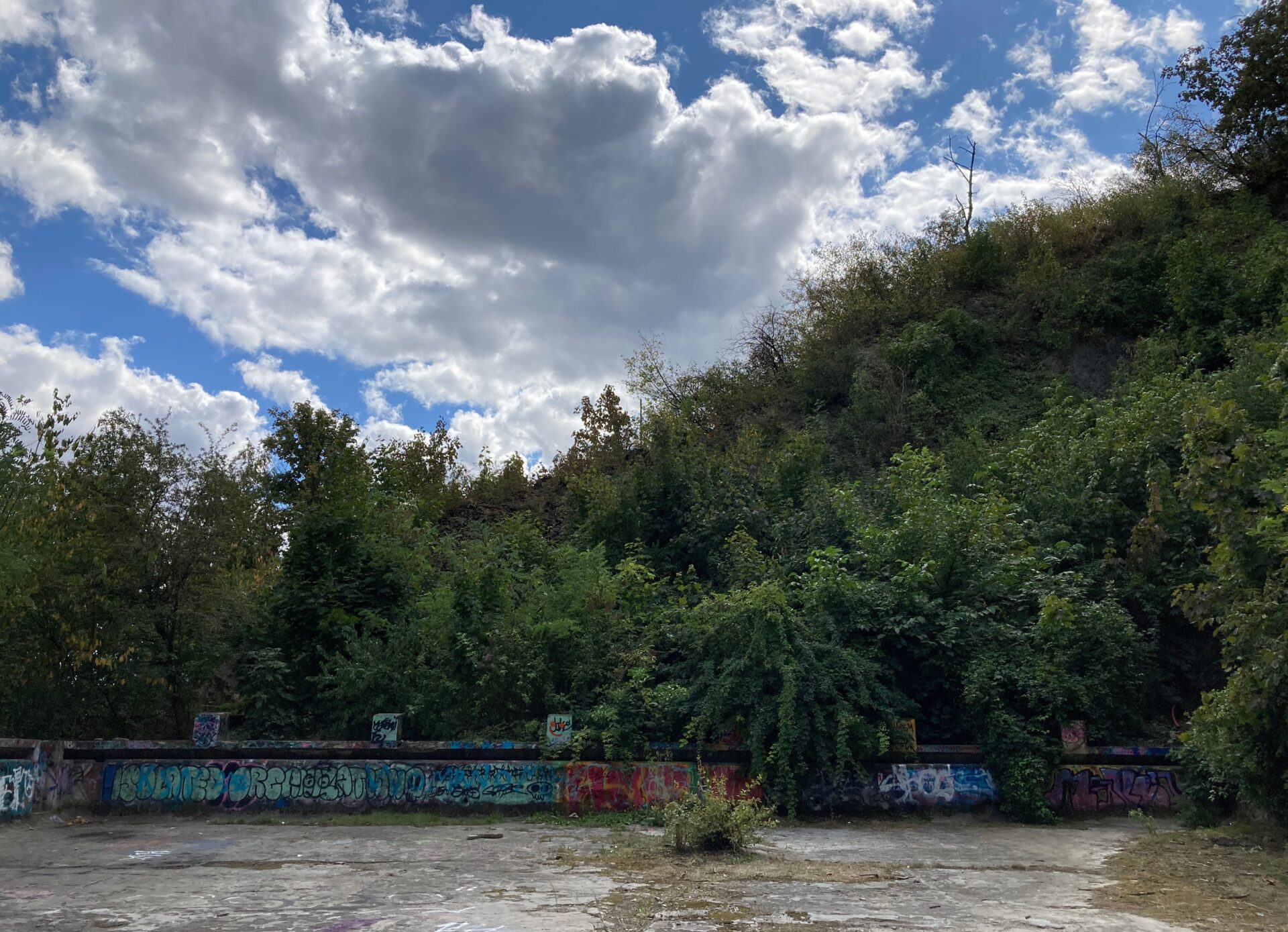
These two photos have a lot in common, even though they seem to be direct opposites. The first shows the face of a beautiful woman; the second shows a vandalized, graffiti-covered diving board towering over a ruined swimming pool, empty of water and overgrown with bushes. And yet it has not even been a hundred years since the scenes of a film that attracted the attention of the whole world were filmed in this pool. The film was called Ecstasy, and its heroine was the most beautiful woman in Europe at the time, the film star Hedy Lamarr.

Film Studios on the Seabed
In southwestern Prague, there is a hill called Barrandov. Since 1884, a giant inscription reading “Barrande” has stood on a rock high above the river. It is situated on a rock with distinctive undulating geological layers of sediment that look as if some giant had tried to paint ocean waves. This, of course, is no coincidence. During the Ordovician period, part of the Early Paleozoic era, there was indeed a seabed here – high above the current level of the river, cut into the terrain. That sea was full of life, with trilobites being its most famous inhabitants.
By the way – in 1955, director Karel Zeman made the film Journey to the Beginning of Time, in which a group of boys travels back in time. From the discovery of a fossilized trilobite all the way to the seashore during the era when trilobites lived. Check out this clip to see how masterfully the film was made – without digital technologies, only with the help of film tricks, both mechanical and optical.
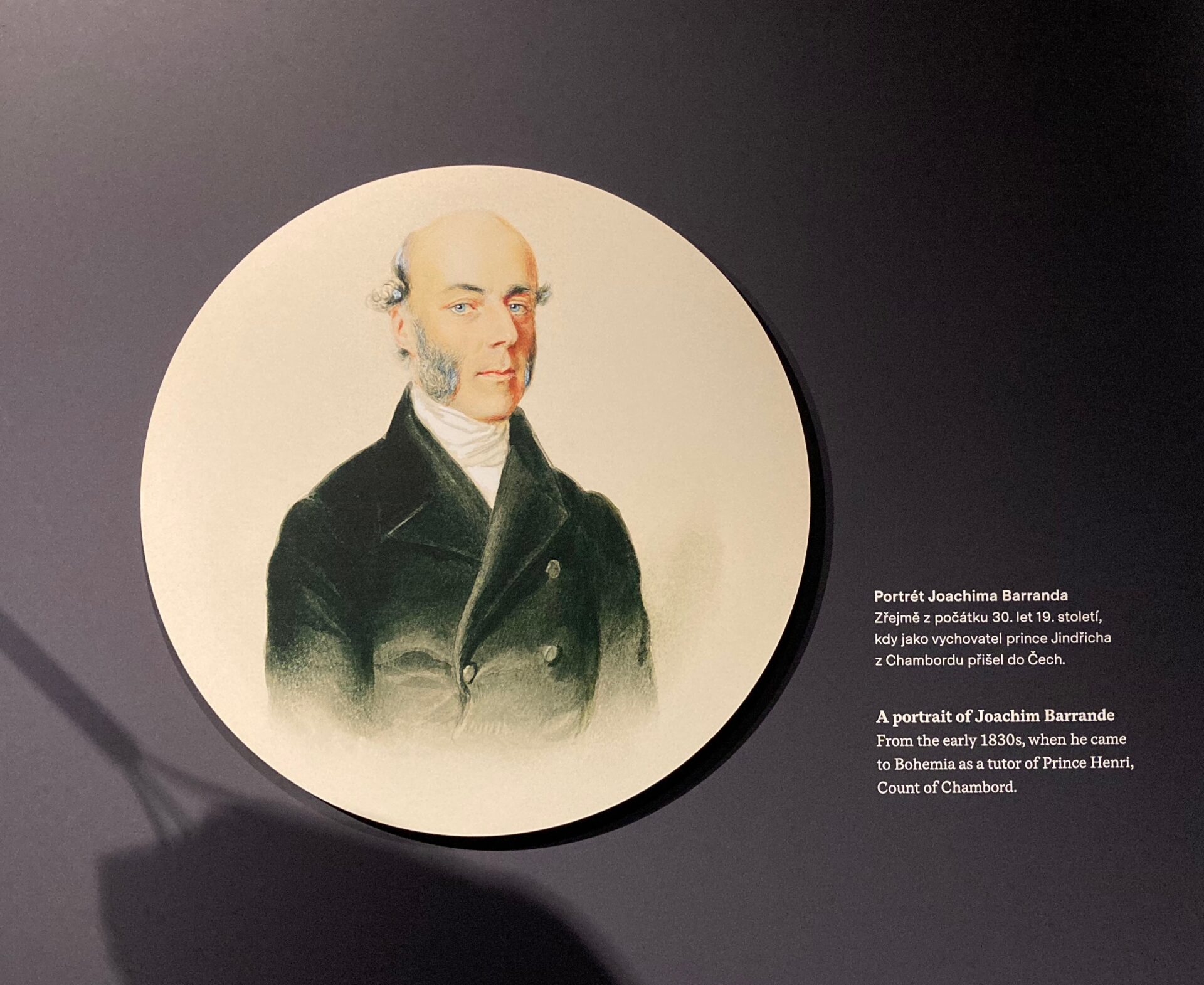
Nearly half a billion years later, in 1832, Joachim Barrande came to Bohemia. A tutor in the family of the French King Charles X, he was forced to flee the country after the so-called July Revolution in 1830 and, after a short stay in exile in Edinburgh, Scotland, arrived in Bohemia. Joachim Barrande, not only a tutor but also an engineer and paleontologist, then lived in Prague until he died in 1883, researching the Czech Ordovician Sea and thus becoming the founder of Czech paleontology.

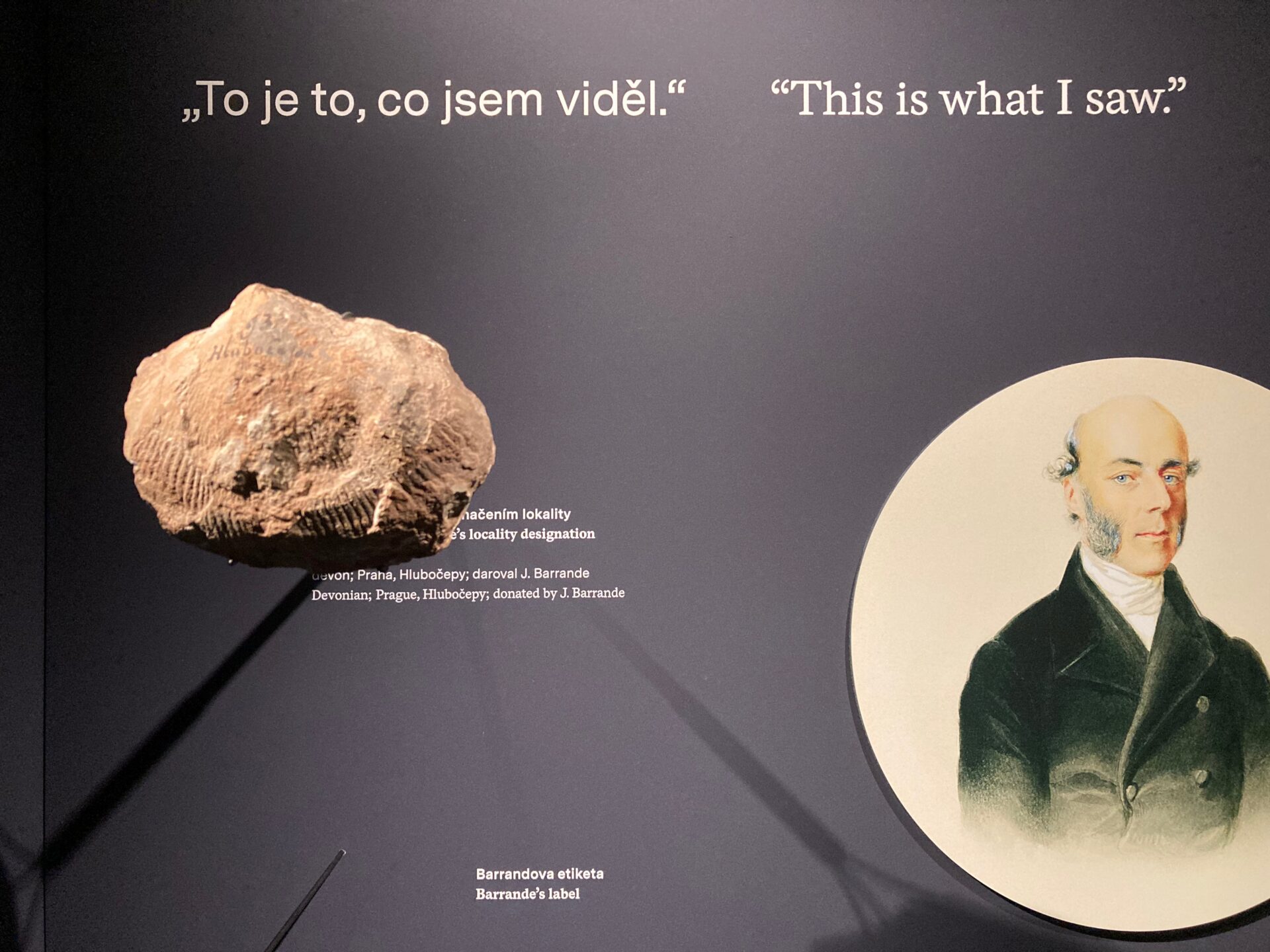
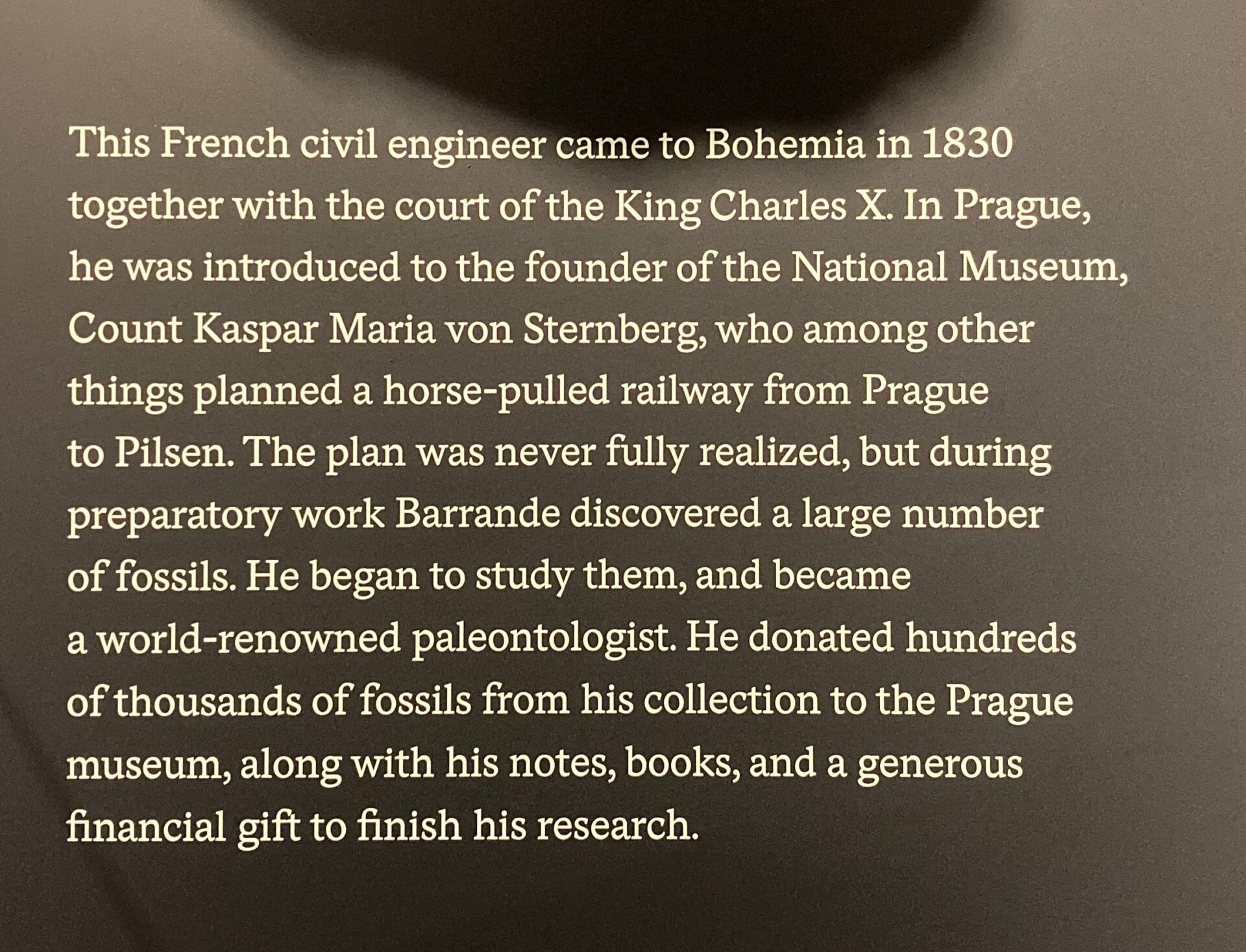
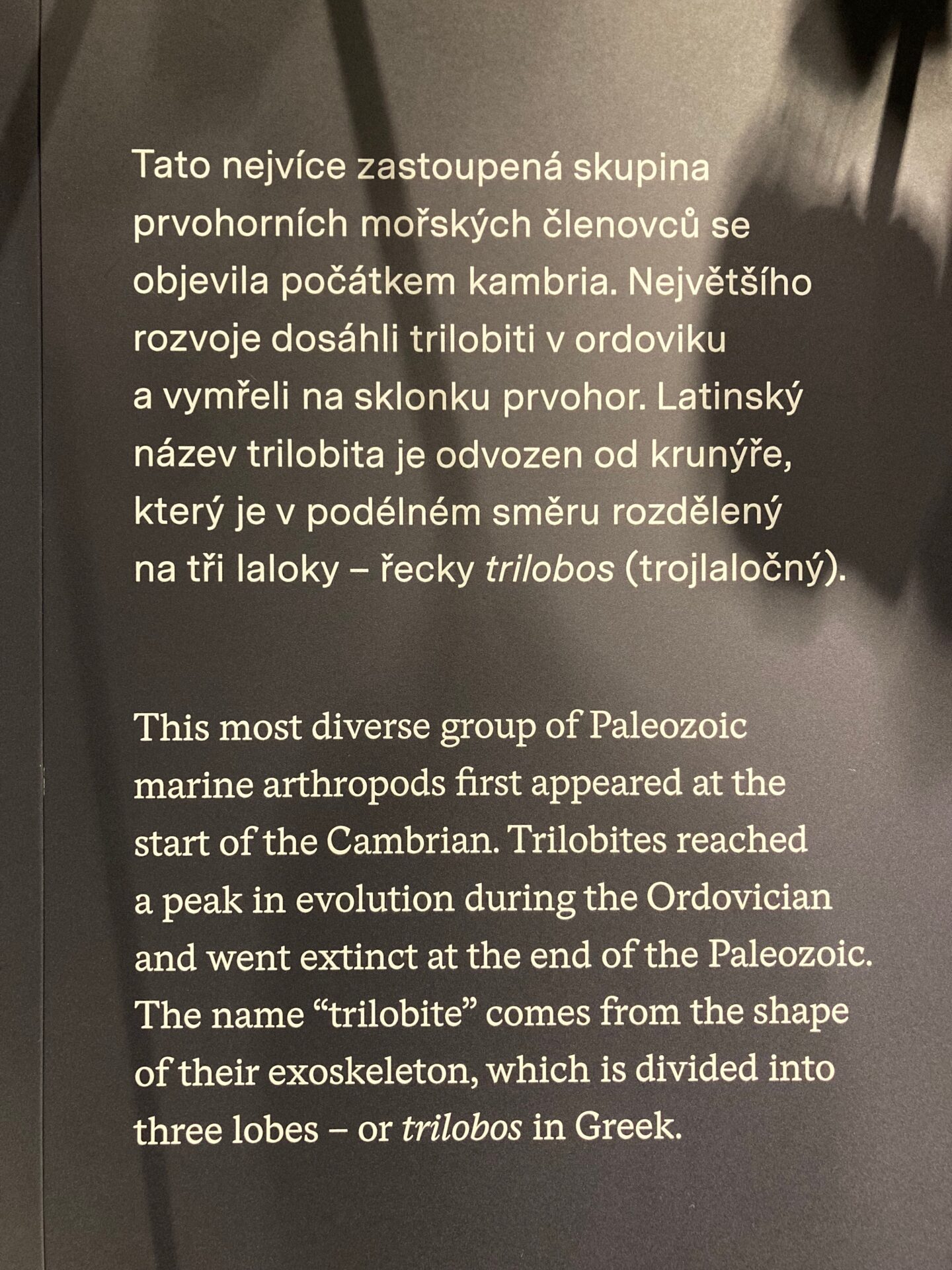
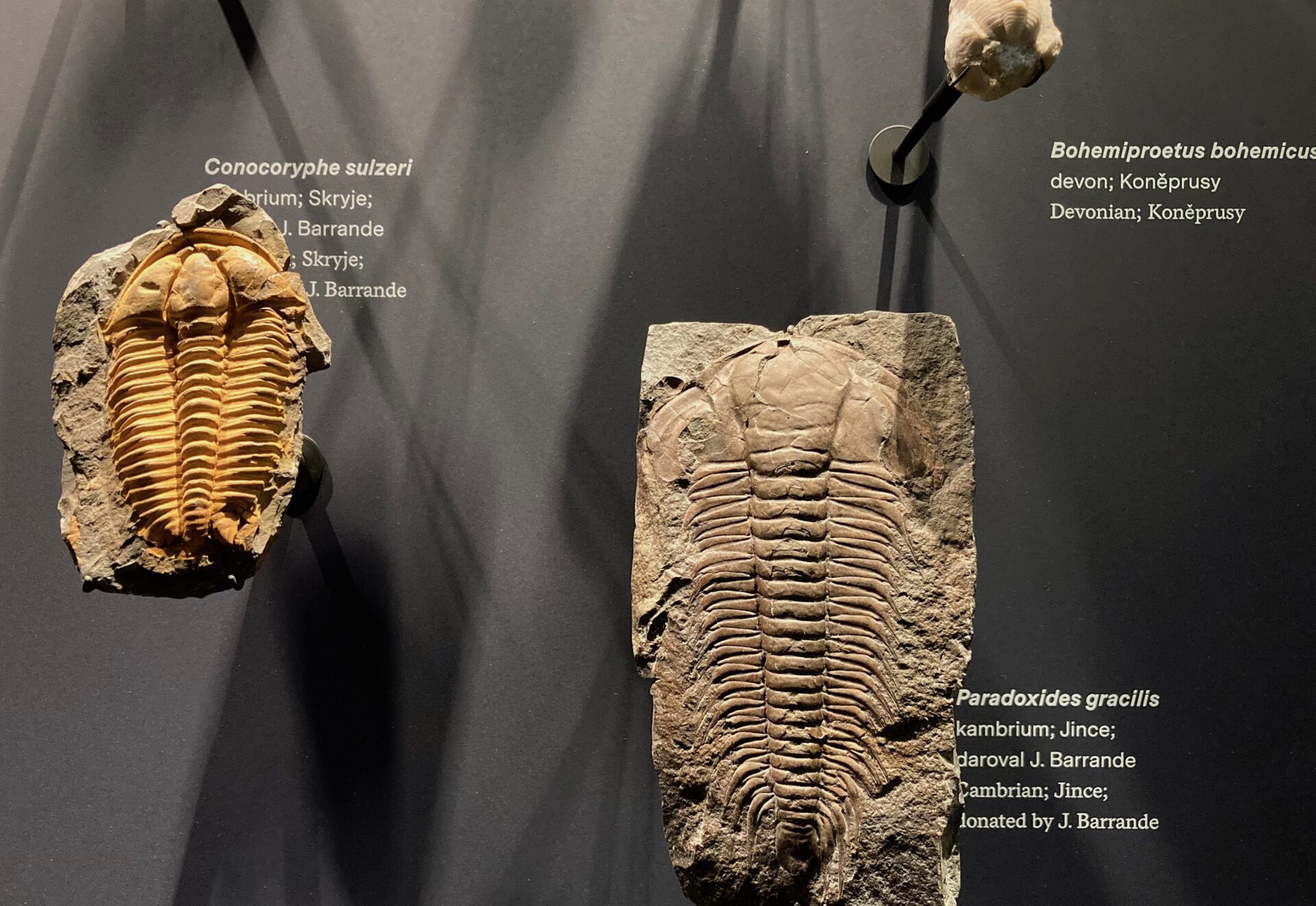
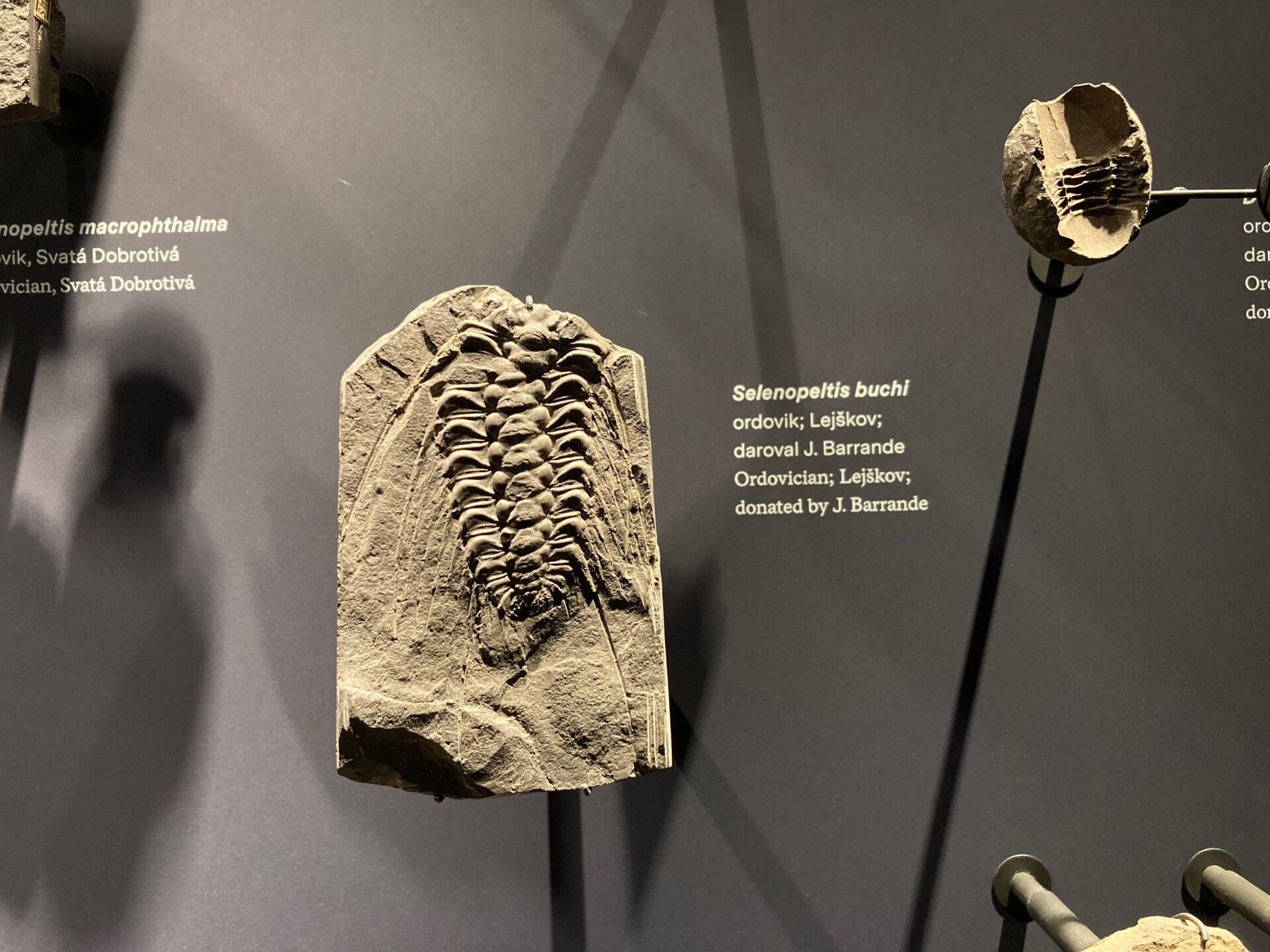
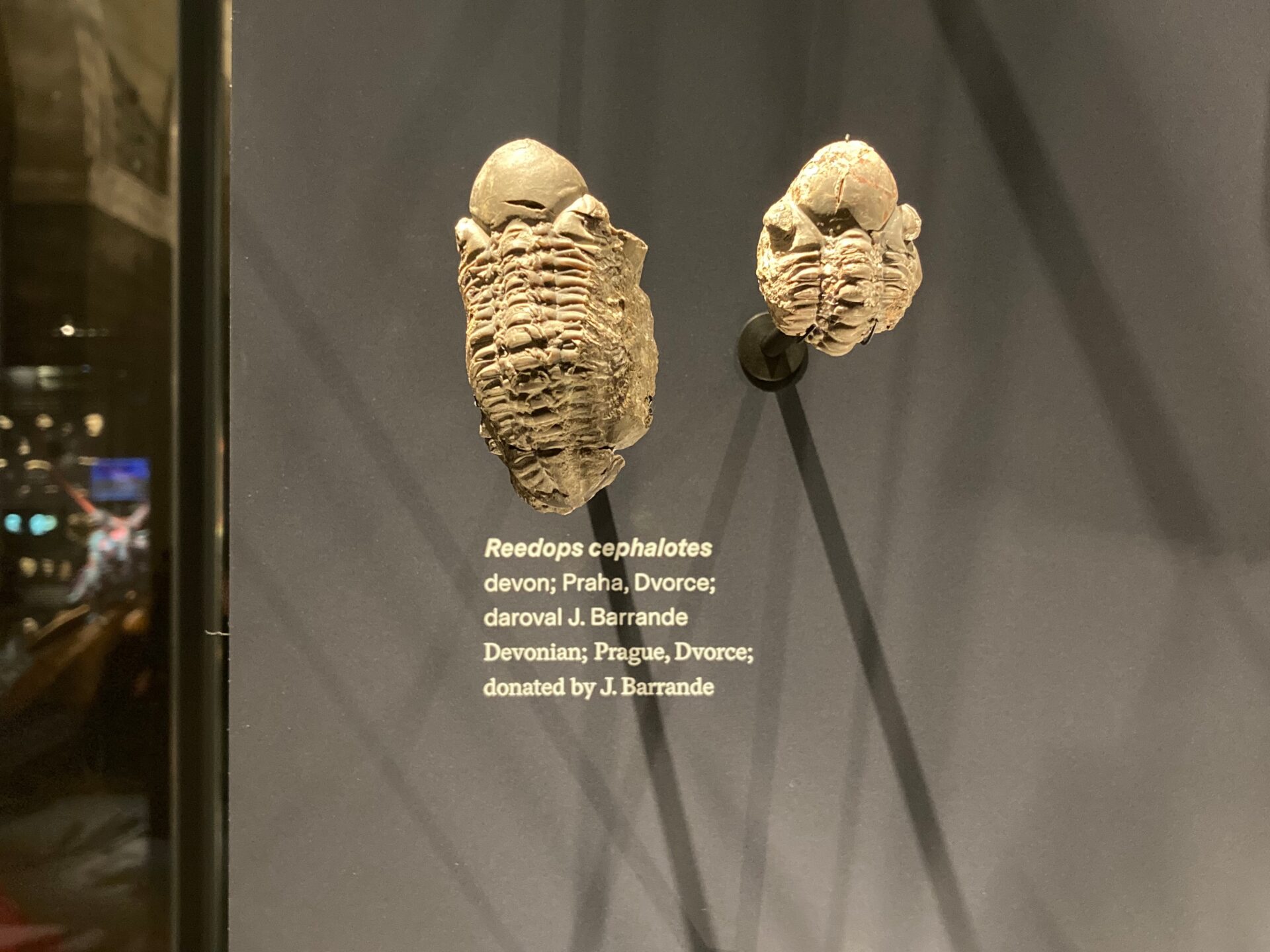
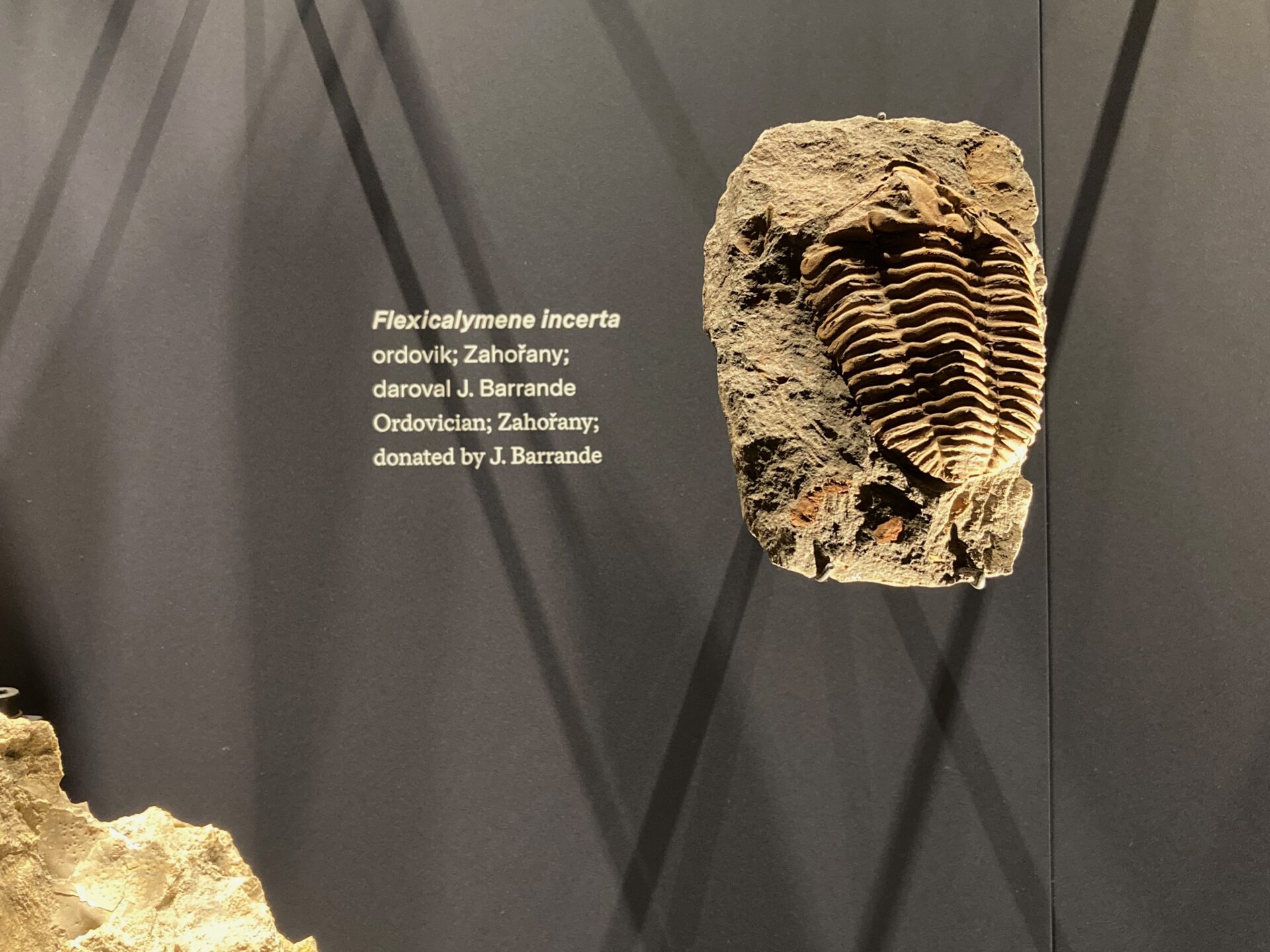
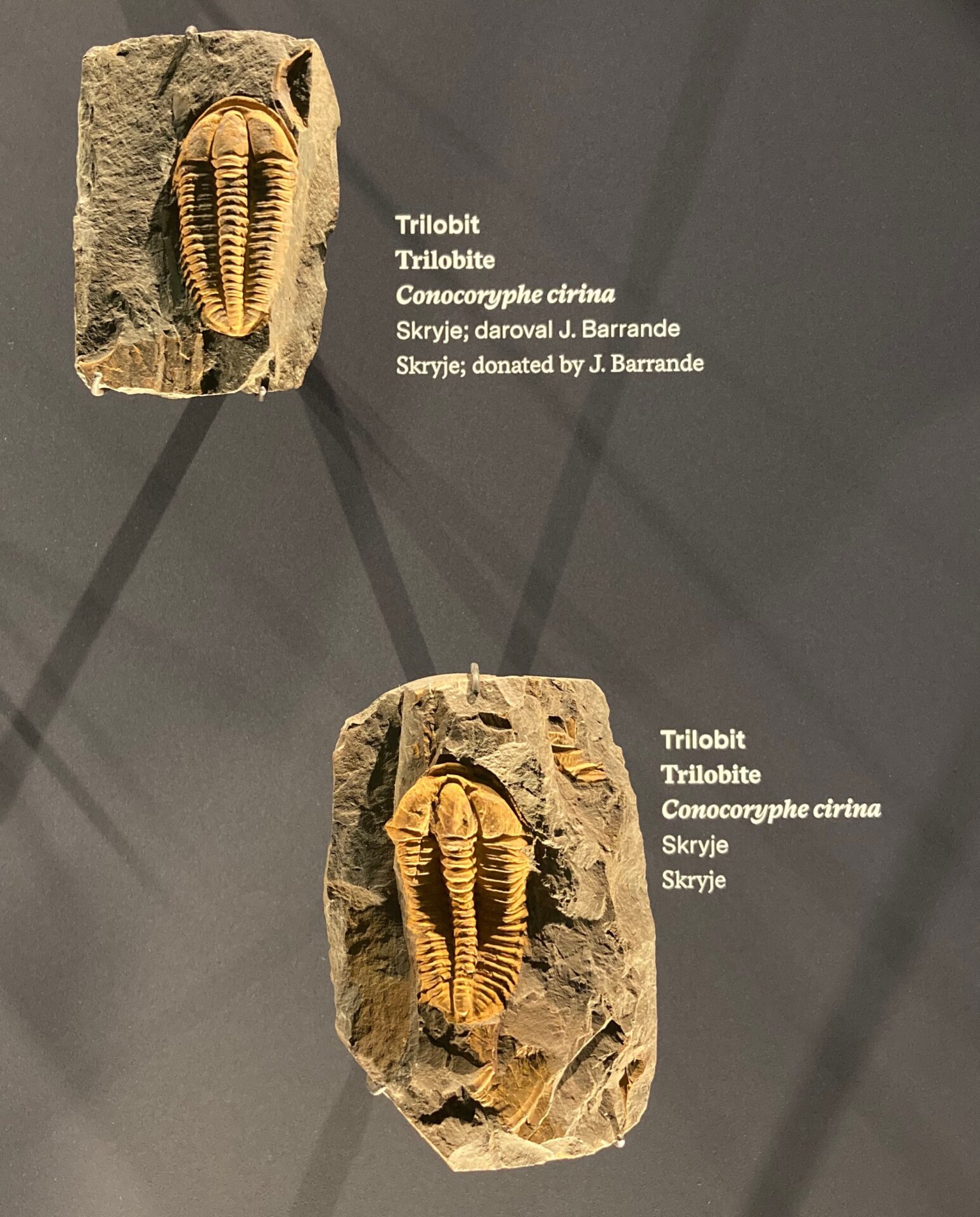
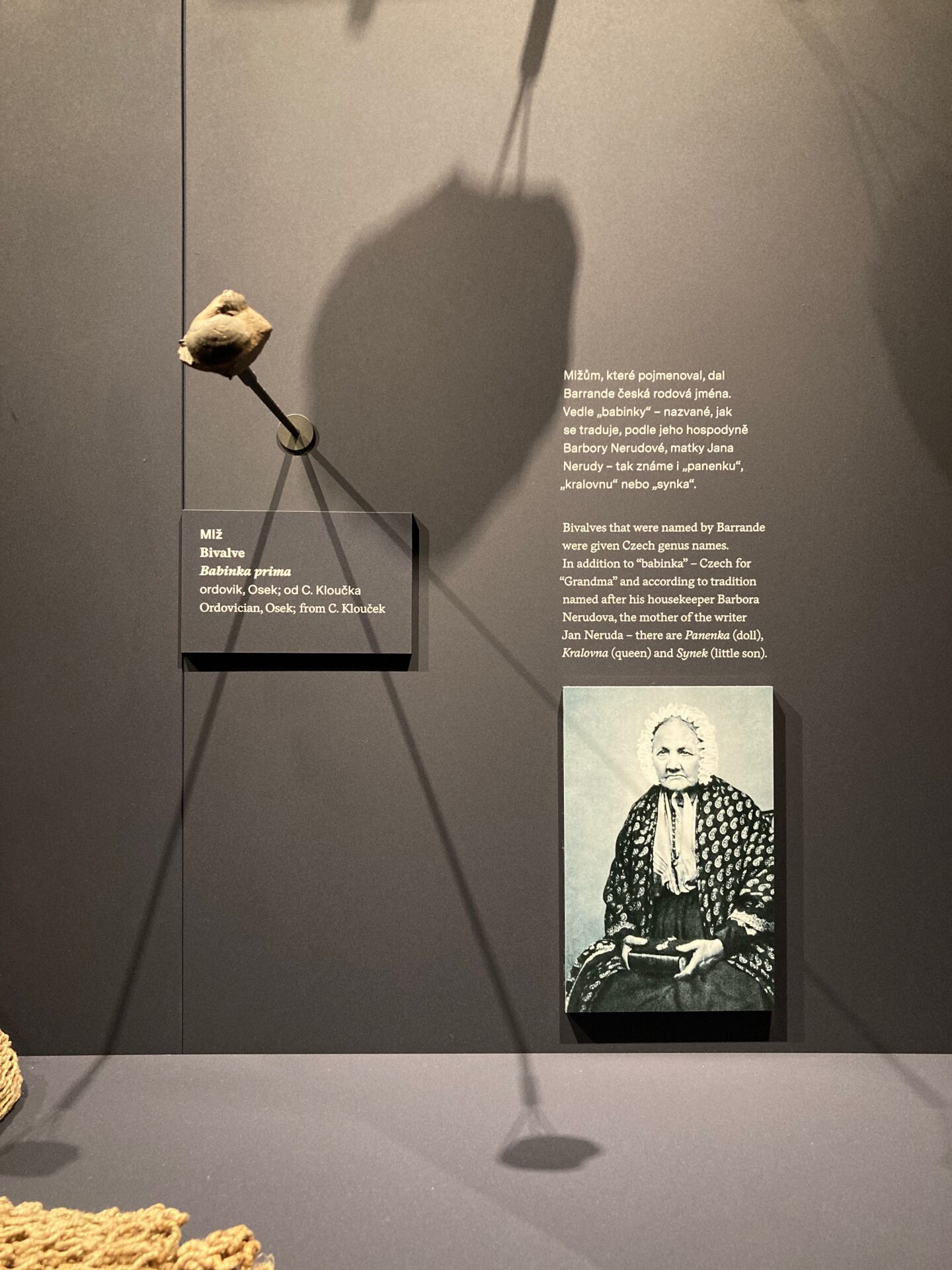
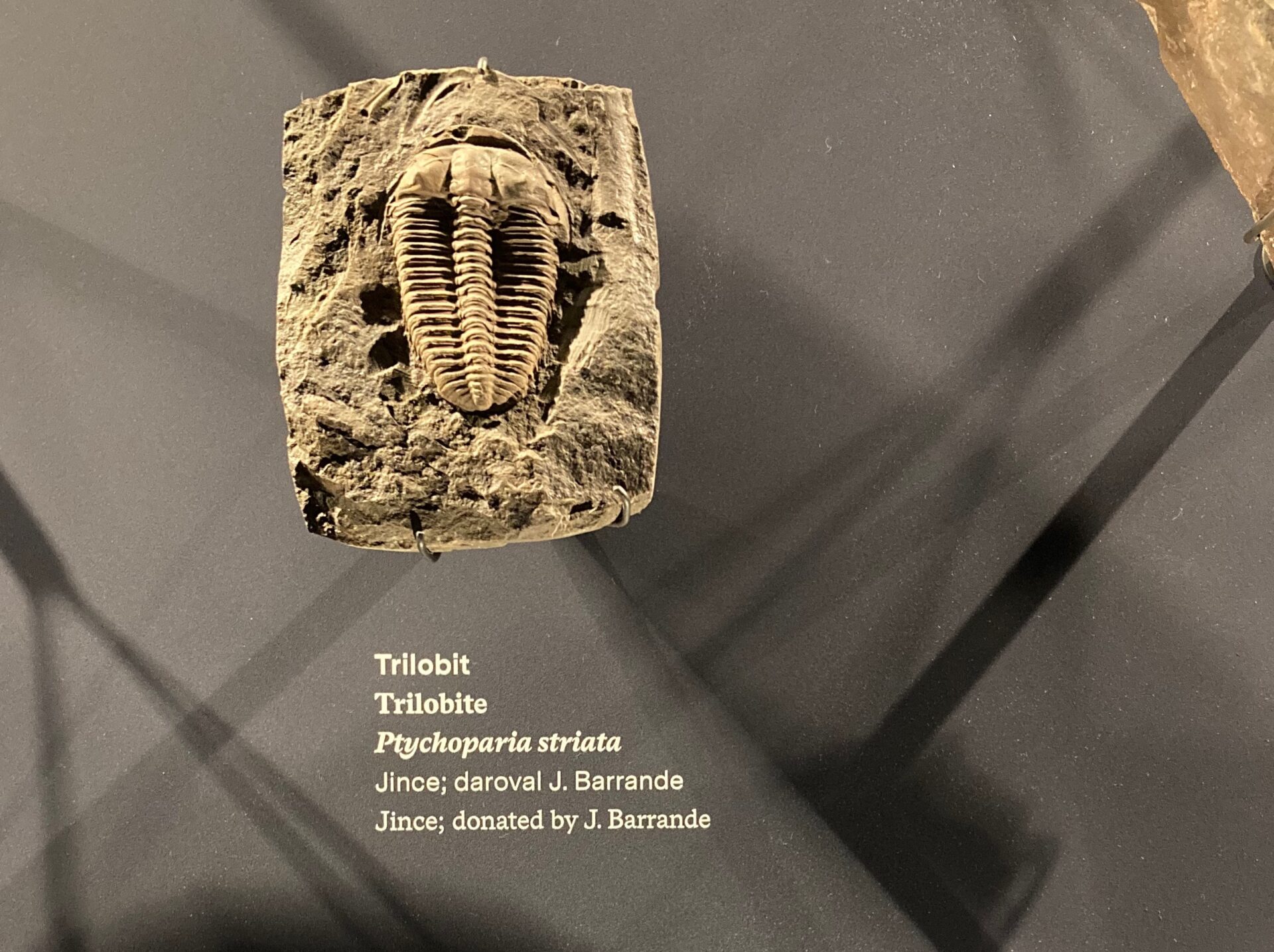
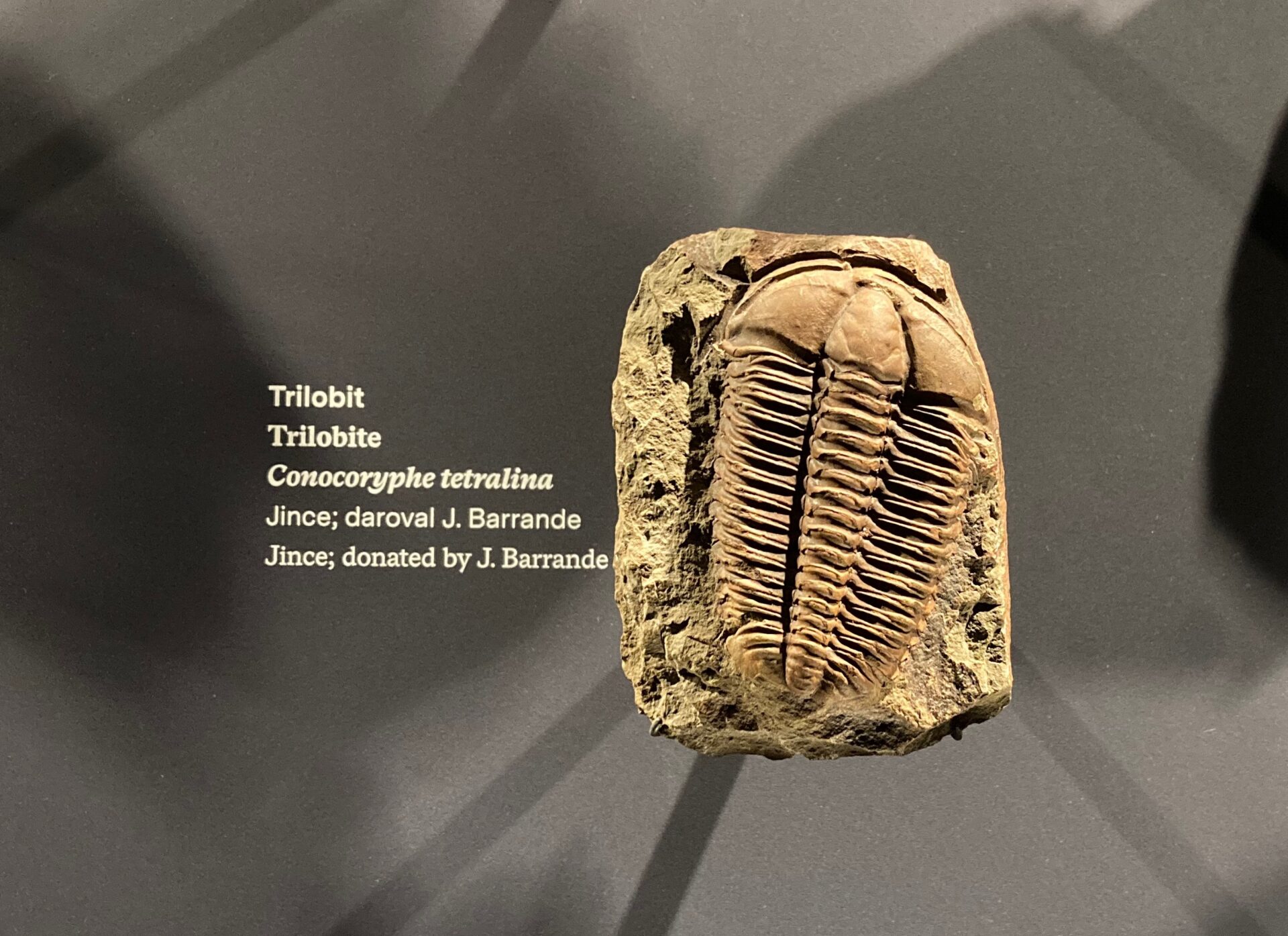
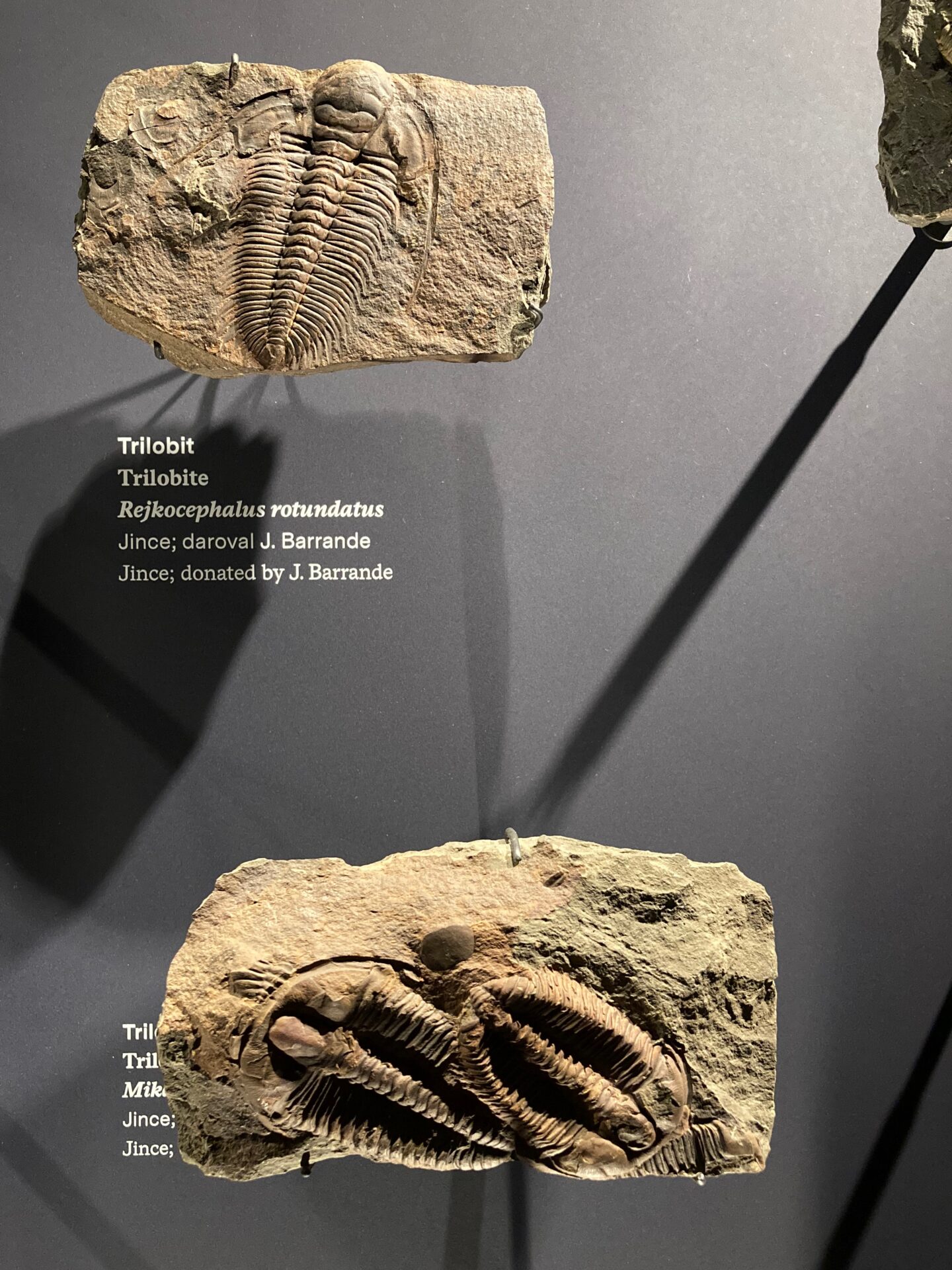
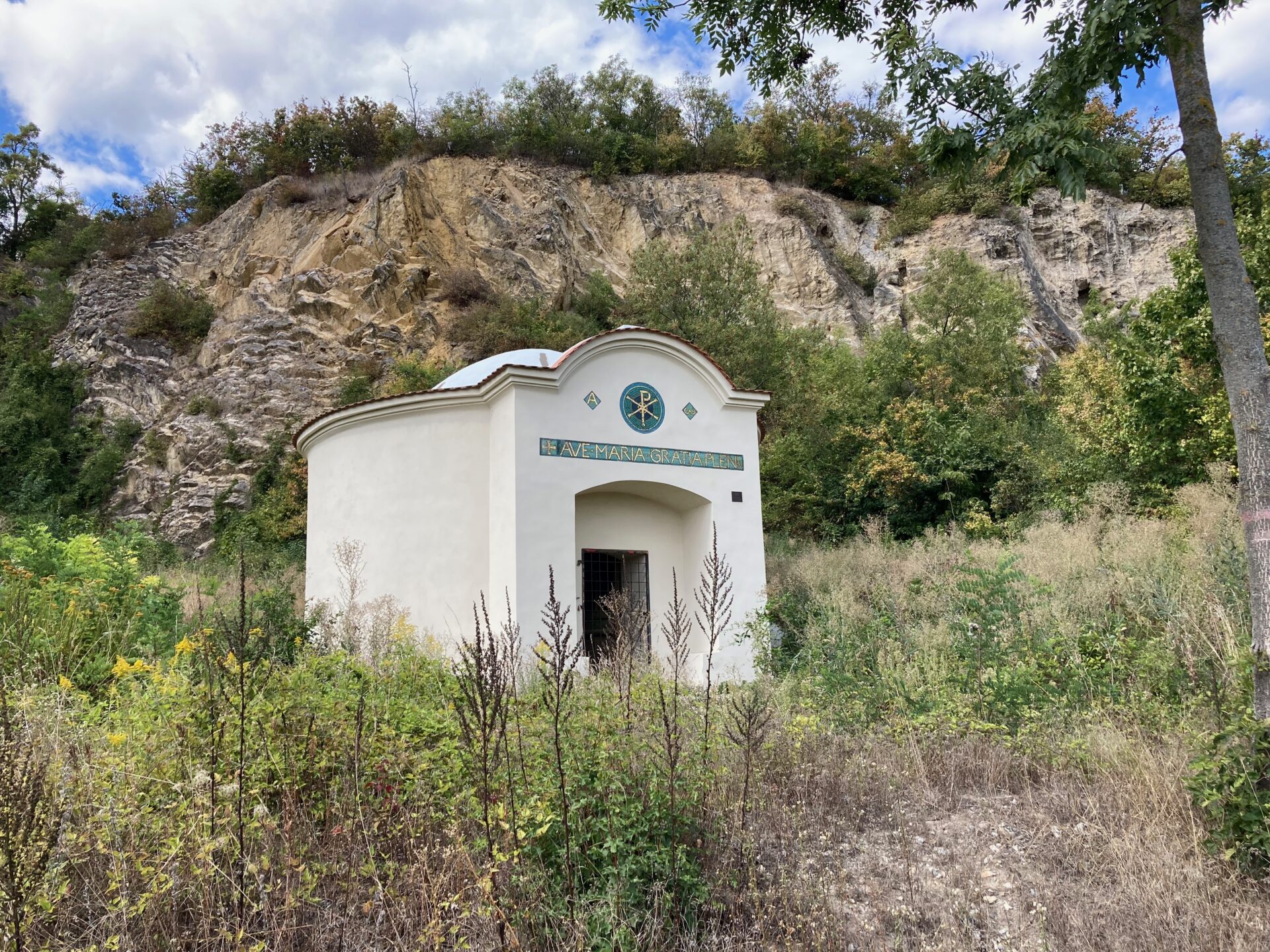
In the quarry near the chapel below the Barrandov Terraces lie boulders that broke away from the cliff and contain fossilized corals and other organisms.
The President’s Father and Uncle, and a Vacation Spot Somewhere Outside Prague
In 1924 (that is, twelve years before he became the father of future Czech President Václav Havel), civil engineer Václav Maria Havel was in San Francisco. He was so enchanted by the Cliff House, a famous restaurant on a sea cliff with an impressive view of the Pacific Ocean, that he decided to build something similar in Prague.
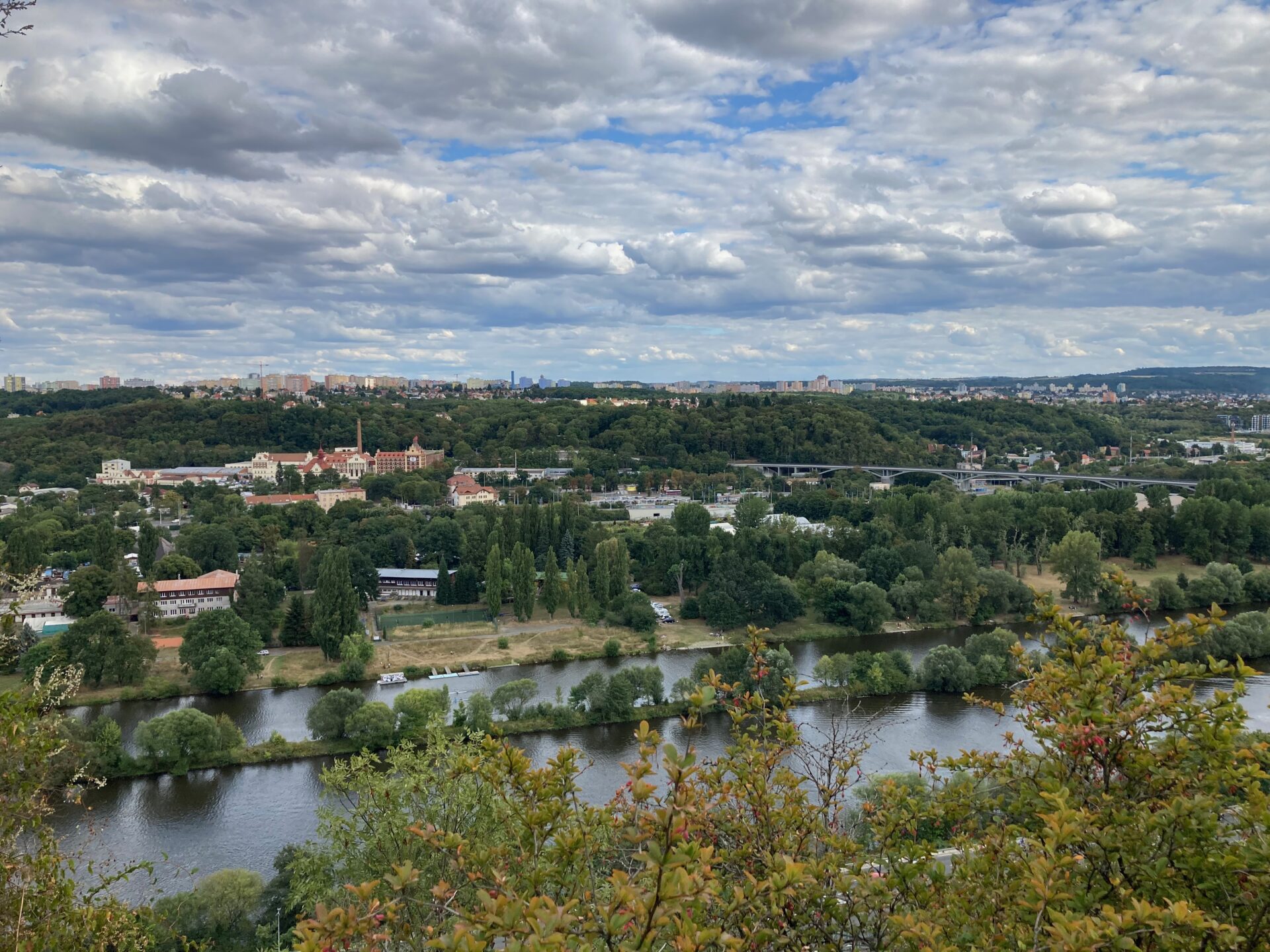
Prague may have had a tropical sea during the Ordovician period, but that was half a billion years ago. That’s why Václav M. Havel decided to build his dream “Prague” Cliff House on Barrandov Rock. And so the Barrandov Terraces were built. Although there’s no sea, there is a beautiful view of the Vltava River, whose surface can be seen from Barrandov for several kilometers both upstream and downstream. The terraces were horseshoe-shaped and cascaded, dominated by a slender white tower with lounges, all in the functionalist style that was popular in Bohemia then and is still popular today.

An incredible 50,000 people attended the restaurant’s opening on October 4, 1929, and the place quickly became a popular destination for Sunday outings, attracting as many as 3,000 people a day for lunch during the high season. And not just for lunch, but also to dance to the music of R. A. Dvorský’s Orchestra, whose jazz and swing melodies carried far across the water. As one eyewitness who lived on the other side of the river later recalled: “I heard that beautiful music and the singing, and the way it carried across the water, along with the evening mist – it was deeply poetic.”
Václav M. Havel was ambitious, and people received the Barrandov Terraces very warmly (many partied until morning and even stayed for breakfast); he expanded the project even further. The terraces were built on the edge of a former quarry. At the bottom, Havel built a swimming pool with a diving board, stands for four thousand spectators, locker rooms, a sunbathing terrace, tennis courts, a sandy beach, and basketball and volleyball courts. A staircase led from the restaurant to the pool, and food and drinks were transported to guests by a cable car. And on the rock below the terraces, the neon sign “Barrandov” – a play on the “Hollywood” sign on the rock above Los Angeles – shone far and wide.
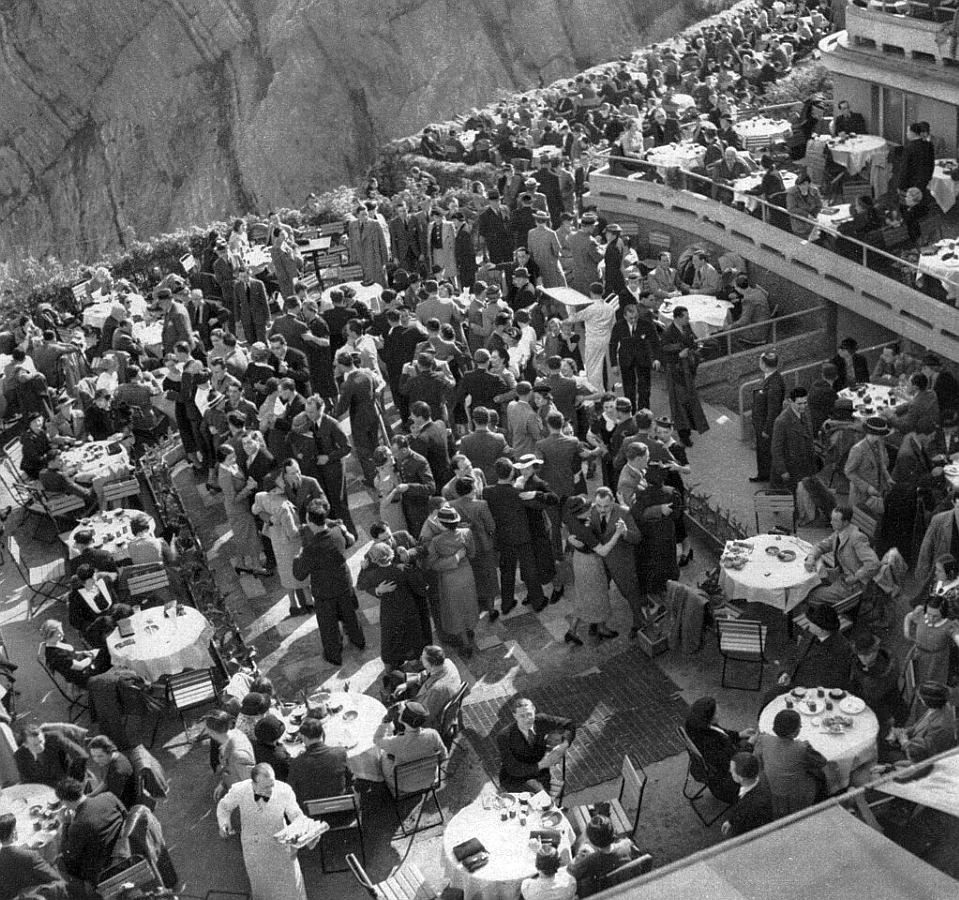
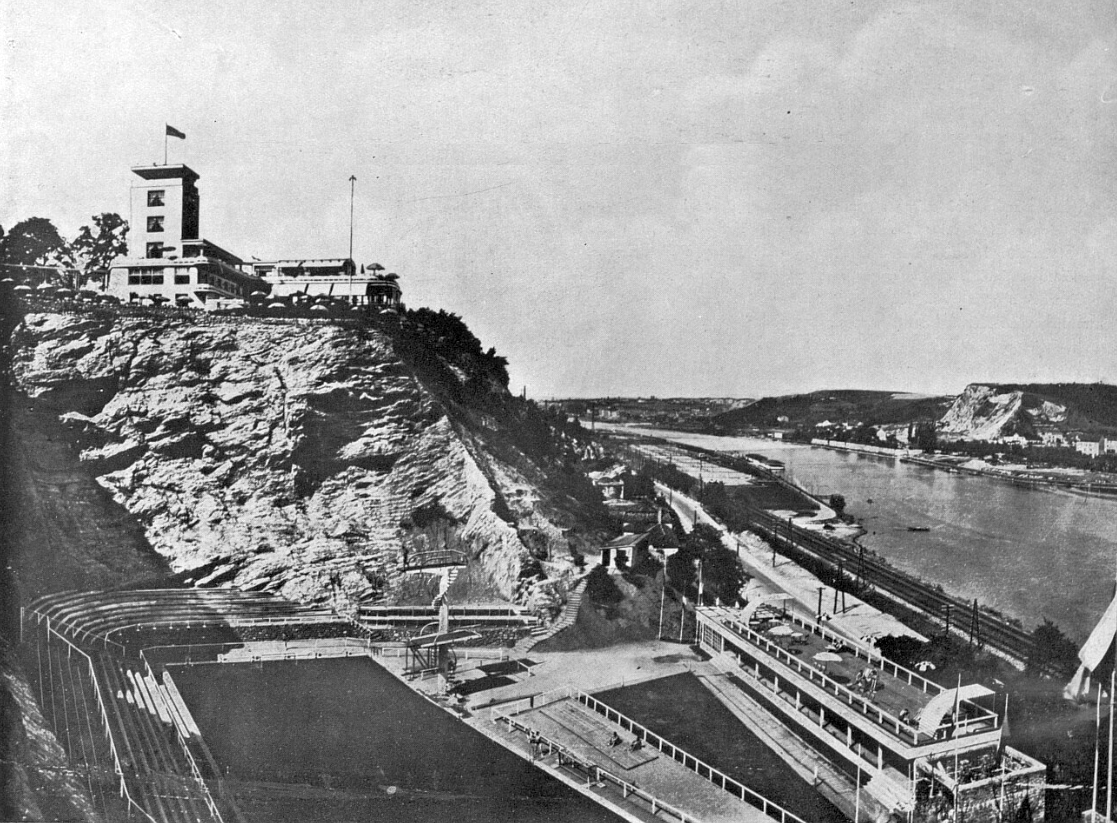
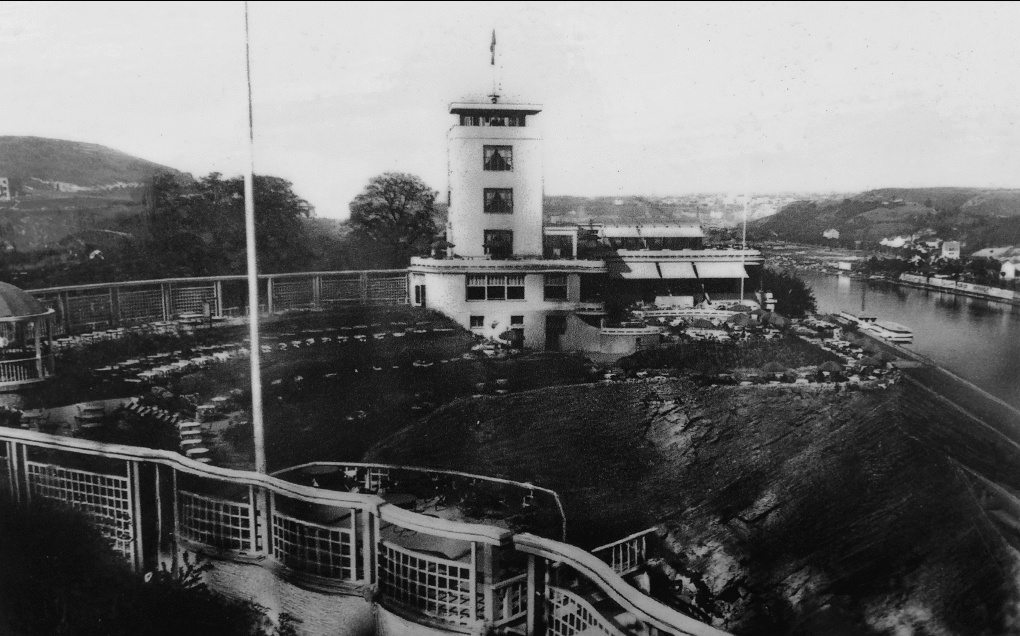
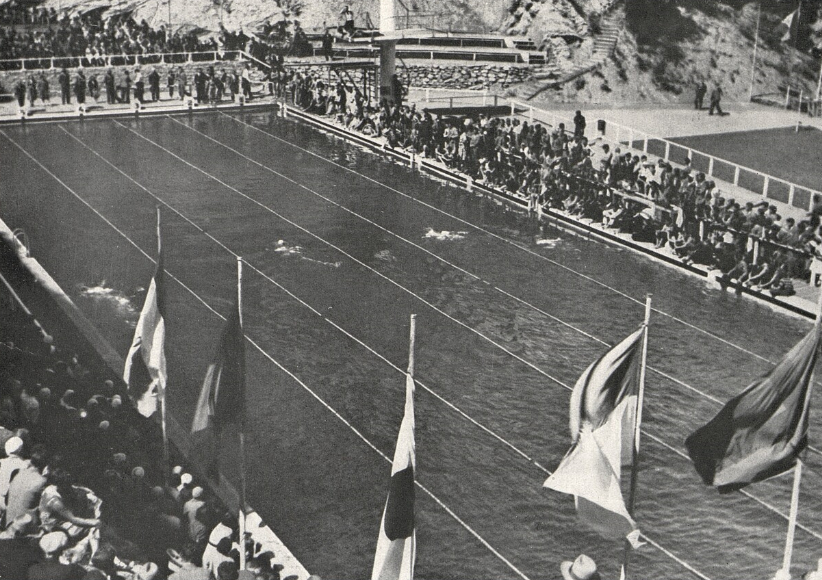

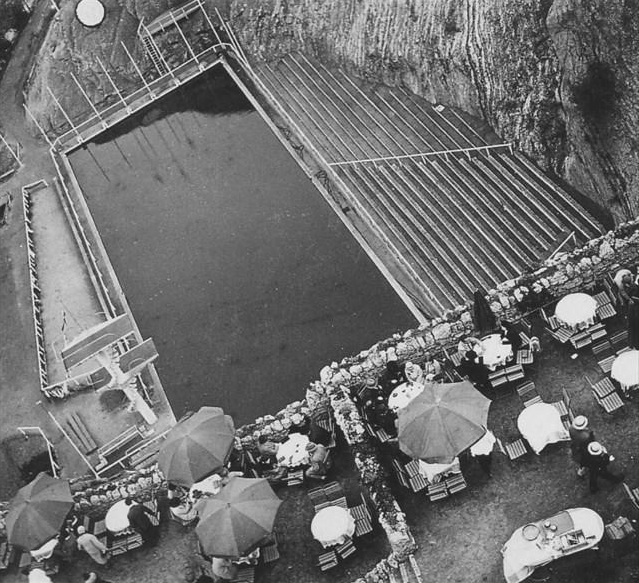
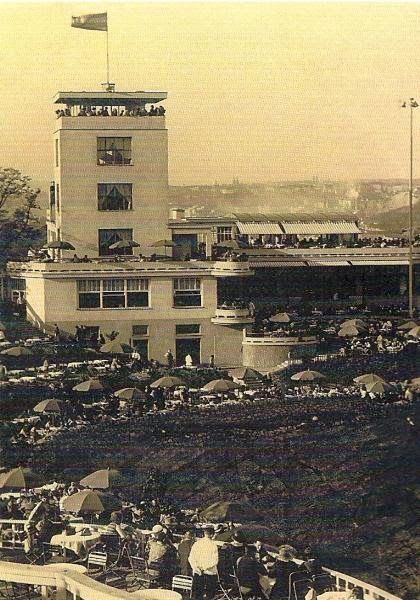
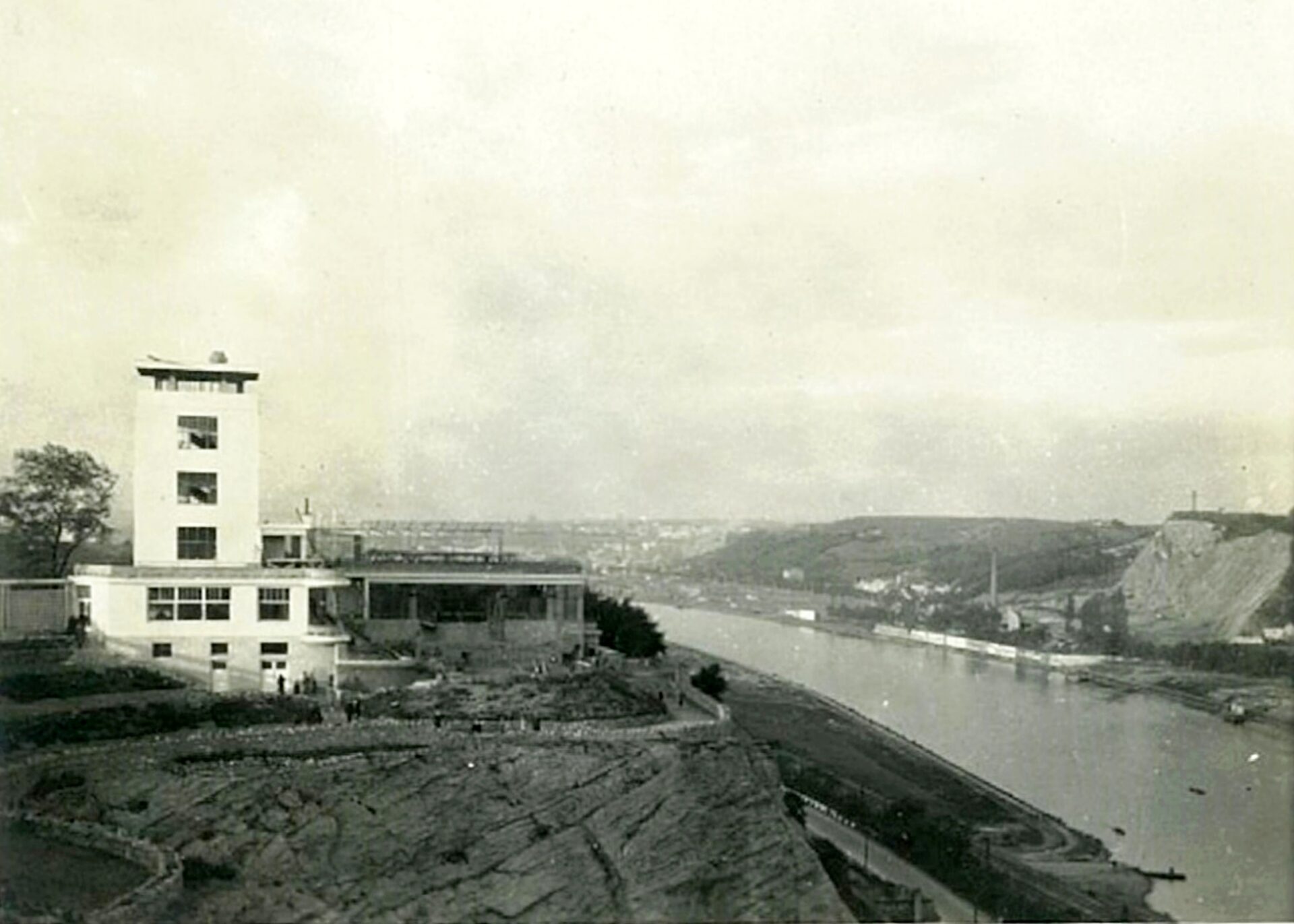
It was an incredibly charming place – British journalist Sydney Morrell was so captivated by it during his visit to Prague in 1938 that he told his readers: “The Czechs have built the most beautiful open-air restaurant in Europe, complete with a swimming pool in a former quarry.”
This was not Havel’s only inspiration from America. As he said in 1969: “After World War I, I was the chairman of the Czechoslovak Student Union and, at my own expense, I went on a tour of universities in the United States. While visiting the University of California, Berkeley, I found myself in a wonderful neighborhood of California’s wealth. And that’s where the idea for Barrandov came to me.”
Construction of this new luxury villa district began in June 1929, and just two years later another ambitious project began: the construction of the Barrandov Film Studios, which were the most modern in Europe at the time of their founding and remain one of Europe’s leading film studios to this day. (It is enough to recall that the following films were also shot here: Mission: Impossible, Dune, Knight’s Tale, Illusionist, The Chronicles of Narnia, and James Bond: Casino Royale.)
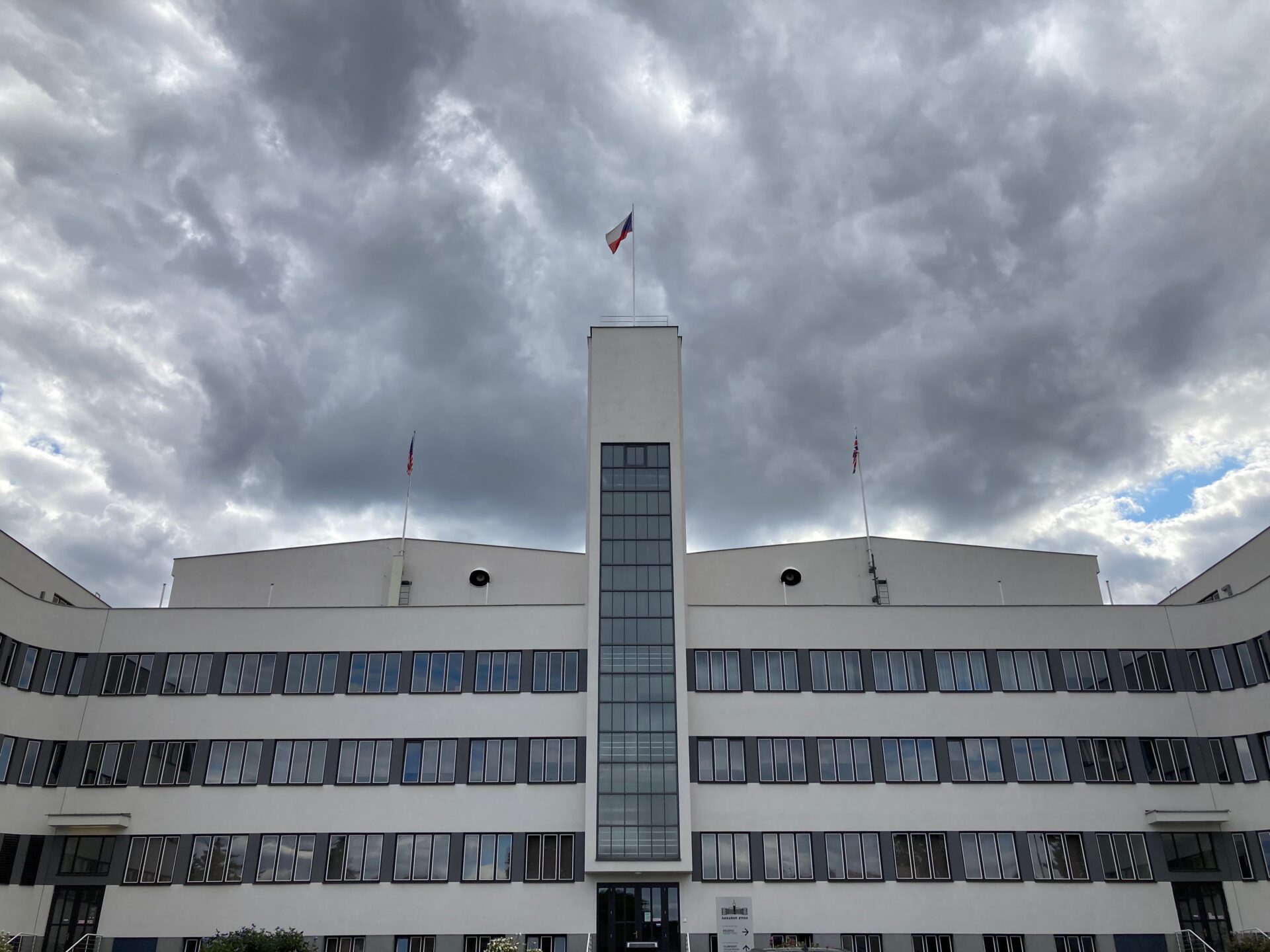
The Barrandov Studios were also a logical continuation of the efforts of Václav’s brother Miloš Havel, who was not only a movie fan but also a film entrepreneur. He was the director of the Bio Lucerna cinema in the Lucerna Palace, which had been built on Wenceslas Square by the brothers’ father, the construction entrepreneur Vácslav Havel. He was also a film producer and founded the American Film Company, which imported American films into Czechoslovakia.
Later, he founded film studios in Vinohrady, but their capacities gradually became insufficient. This was especially true with the advent of sound films, which Miloš Havel was a strong supporter of. That is why he and his brother decided to establish film studios high above the river, on land that was and is suitable for filming because it does not have a built-up horizon.
So if a film production company wants to make a film about the Middle Ages today, they have a medieval city available in Prague, just 20 km from the airport:
The Pope’s Outrage and Hitler’s Ban
In January 1931, the film Ecstasy, directed by Gustav Machatý, premiered. The lead role was played by the then 19-year-old Hedwig Kiesler (who later adopted the stage name Hedy Lamarr). The romantic film had a fairly simple plot. Nineteen-year-old Eva is trapped in an unfulfilling marriage to an older man. She eventually meets a young engineer named Adam, experiences romantic passion with him for the first time. Her husband finds out everything, kills himself, and that is the end of Eva and Adam’s relationship.
The film attracted worldwide attention and outrage because it was the first time an actress had appeared completely naked on screen, and the expression of her orgasm was even visible on her face. The Pope condemned the film. Adolf Hitler banned its screening (partly because Hedy Lamarr was Jewish), and in many countries, selected scenes featuring the nude actress were cut (the deleted footage was often lost; it later turned out that the editors had kept it as a souvenir). However, this condemnation does not change the fact that the film was considered artistically superior; its long, poetic shots and modern cinematic language were particularly praised.

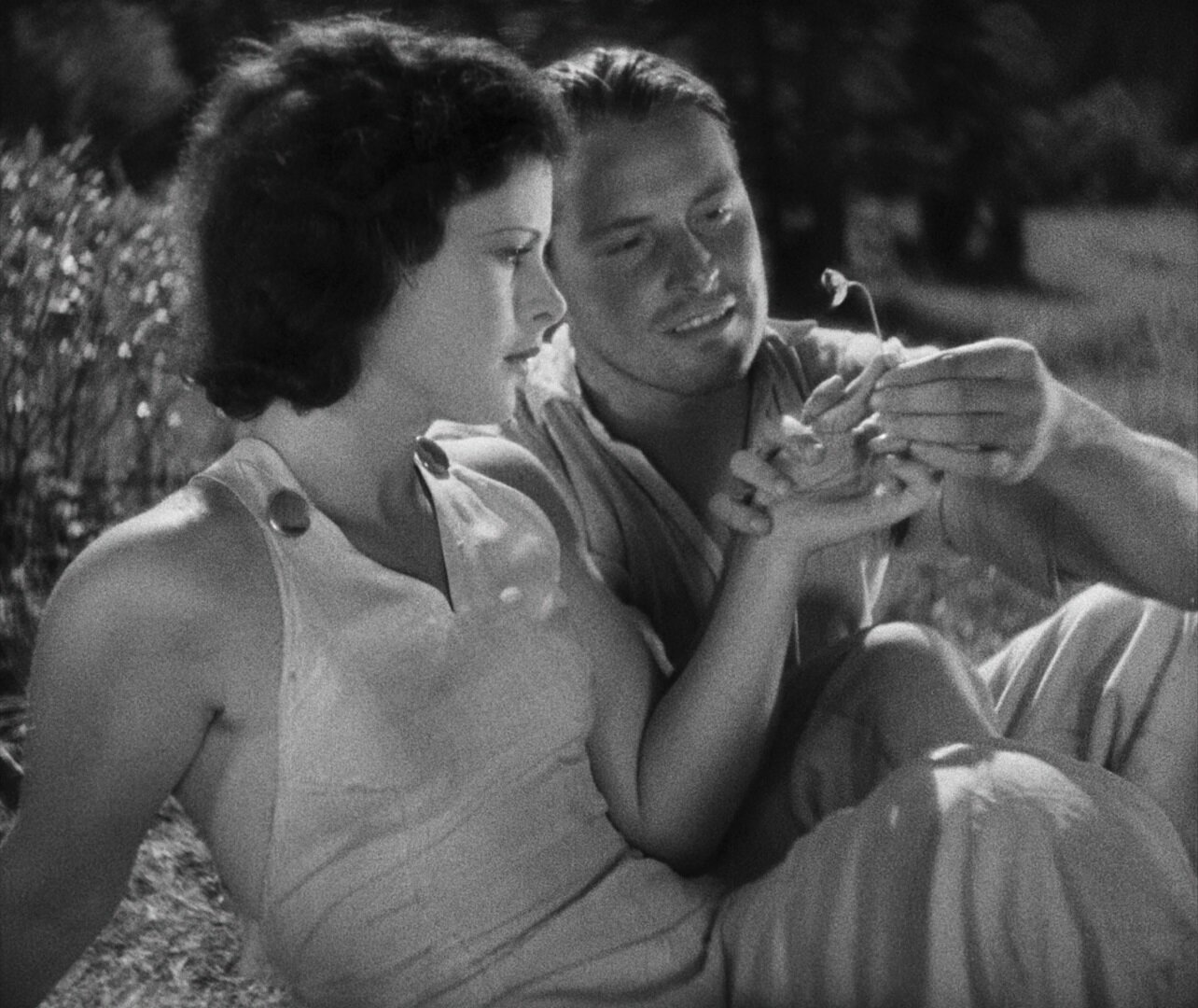
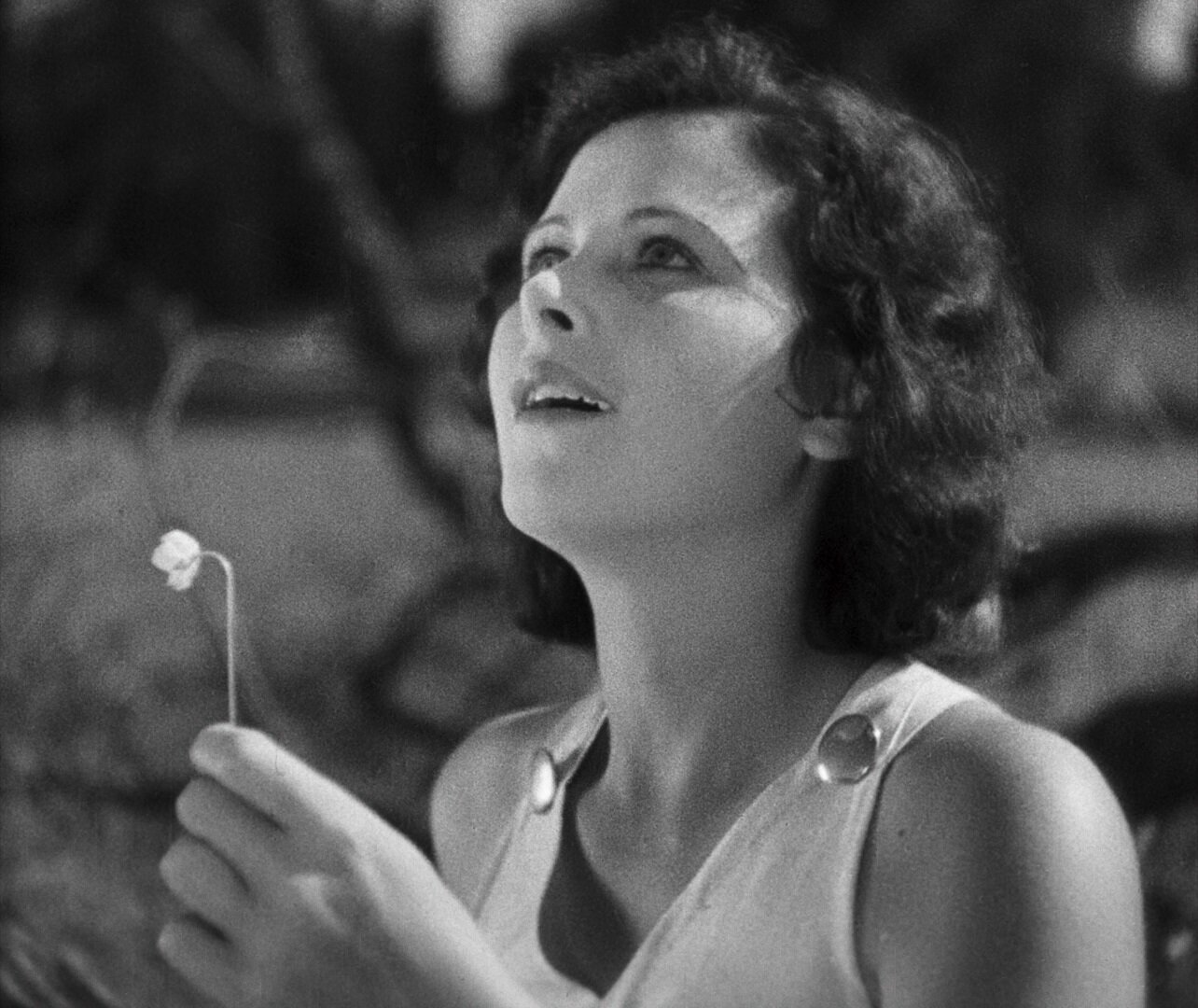
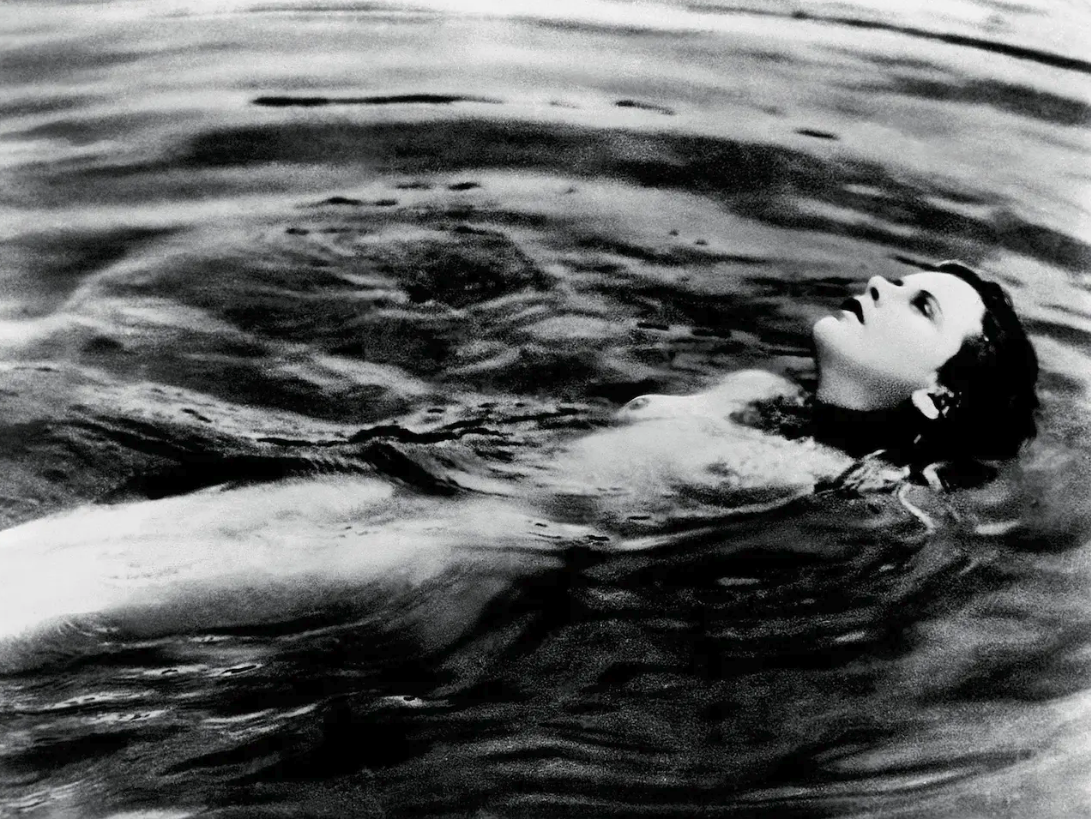
A sad parallel with Hedy Lamarr’s life was that shortly after the film was made, she married Friedrich Mandl, an industrialist 13 years her senior. Her great infatuation soon turned into a great disappointment. Her husband was morbidly jealous; he even tried to buy all the copies of the film so that no one would see his wife naked. Hedy was like a prisoner in the marriage, guarded at every step. She eventually escaped from it adventurously – she put sleeping pills in her maid’s coffee and then escaped in the maid’s clothes. She fled to France and then to the USA.
In 1937, her beauty so enchanted Walt Disney that her face became the face of Snow White in the film Snow White and the Seven Dwarfs. In 1949, she experienced huge success in the lead role of the Oscar-winning film (costumes, cinematography) Samson and Delilah.
Not Only Beauty, but Also Excellent Technical Thinking
Even Charlie Chaplin, Marlon Brando, Spencer Tracy, JFK, and Erich Maria Remarque were reportedly unable to resist her charm, but her personal life was certainly not easy. She was married six times, the last one, paradoxically, to her divorce lawyer. She had three children, all from one marriage (the youngest, James, was considered adopted, but was allegedly her biological son). She herself commented on this: “I have to stop marrying men who feel inferior around me. There must be a man out there who could be my husband without feeling like the other guy.”
After her last divorce, she cut herself off completely from the world; according to some, this was also due to her fading beauty. She stopped communicating with her family and friends and ended up bitter and lonely. Later, due to her deteriorating eyesight, she stopped leaving the house altogether. She died in 2000 at the age of 85.
However, Hedy Lamarr was also able to downplay female beauty: “Any girl can be charming. All she has to do is stand still and look stupid.”
However, that was definitely not her case, because she was not only beautiful, but also very intelligent and technically gifted. So much so that her discoveries still serve us today. (Her interest in technology first manifested itself when she was five years old, when she took apart a music box down to the last screw to find out how it worked.)
Inspired by the body shapes of fish and birds, she designed a better design for airplane wings. She invented many little things that are a common part of life today: she improved traffic lights, invented soluble effervescent tablets, luminous collars for dogs, and a box from which you can gradually pull out paper tissues when you have a cold.
However, the revolutionary invention was the communication system, the principle of which she patented in 1942 together with musician George Antheil. A system based on a hopping radio signal that cannot be tapped, the so-called FHSS (Frequency Hopping Spread Spectrum).
At that time, remote control of torpedoes using radio signals was being tested. However, these signals were easy to intercept, so a simple jammer could disable the torpedo. Hedy came up with the idea of changing the transmission frequency irregularly at short intervals so that it could not be tracked. The only thing missing was figuring out how to synchronize the signal between the transmitter and the receiver. And this was achieved in collaboration with the composer George Antheil, who was her neighbor, after only by chance did they get to talking.
This idea was initially met with resistance from the US Navy, so their principle was first used during the blockade of Cuba in 1962. However, at the end of the 20th century, the principle discovered by both “neighbors” found incredible use in the civilian sphere.
FHSS systems are still an integral part of Wi-Fi, Bluetooth, GPS satellites, satellite television, and mobile phones. The authors of the patent, whose copyright had already expired at that time, never received a dollar for their discovery, but in 1997 Hedy Lamarr was awarded an honorary degree in the USA for her contributions to the development of electrical engineering.
The Faded Glory of the Barrandov Terraces
After the communist putsch in February 1948, absolutely everything changed in Czechoslovakia. And all of those changes were either for the worse or for the even more worse. This, of course, also affected the Barrandov Terraces. Like all other private businesses, they were nationalized. They were transferred from the private ownership of the Havel family to state ownership, and this marked the beginning of their decline. The same fate befell any physical property that is not cared for by its owner but by the state – that is, by everyone and no one. The swimming pool remained in operation until 1966; the Trilobit Bar closed in 1982, and the rest of the complex fell into disrepair.
After the Velvet Revolution, the property was returned to the Havel family, but it was no longer possible to recapture the glory of the Barrandov Terraces from the First Republic era. While in the 1930s there was a restaurant operating under the slogan “Beyond Prague, yet still in Prague,” nearly a century later, everything is different.

Barrandov is no longer a place outside Prague suitable for recreation. The city ring road runs directly beneath Barrandov Rock, and the Barrandov Bridge spans the river. This is the spot with by far the heaviest traffic; 140,000 cars pass over it every day. The idea that the romantic strains of music from a local bar might drift across the river today is completely impossible. Instead, the noise from the city ring road and exhaust fumes from cars would drift over.


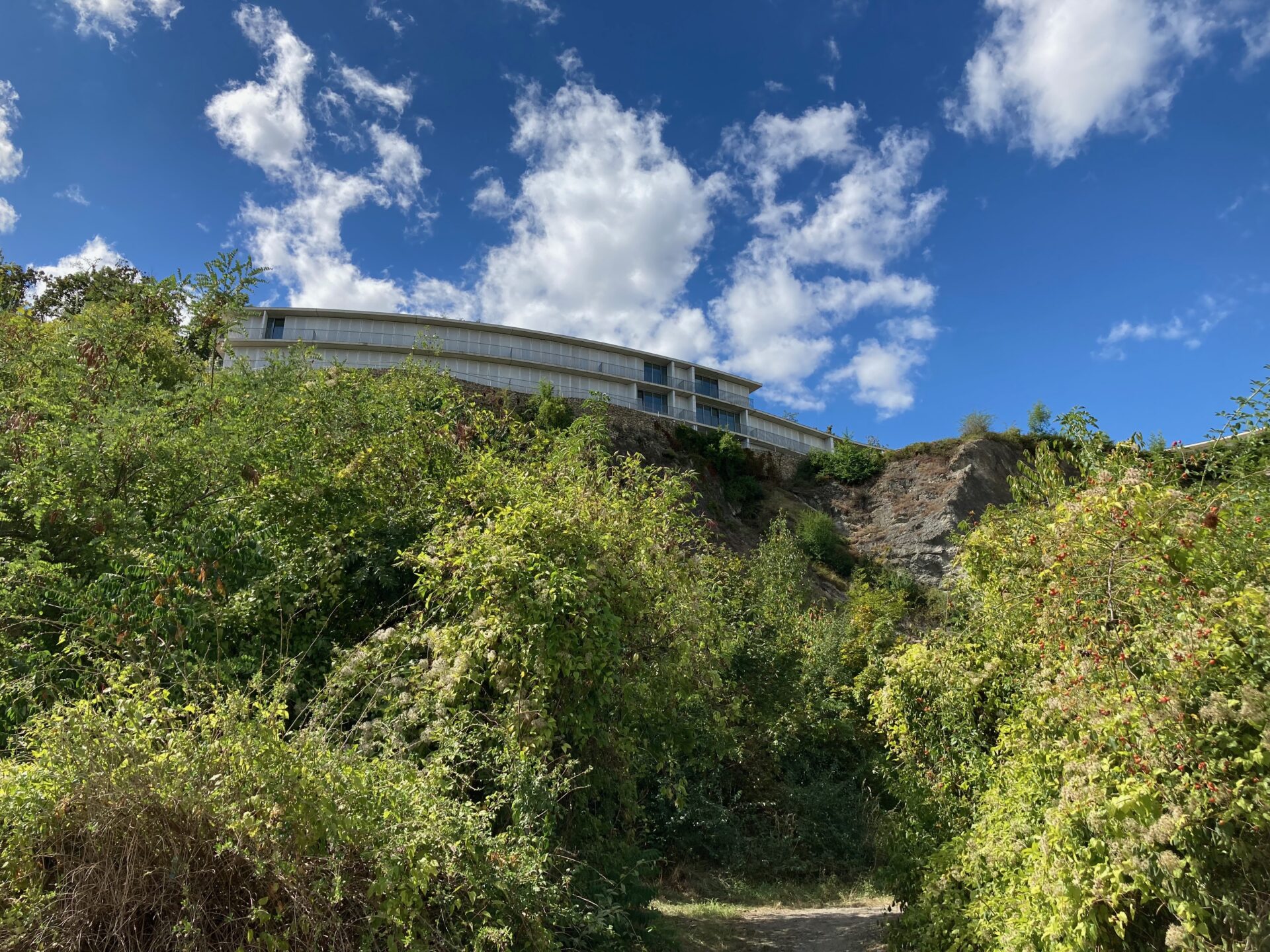
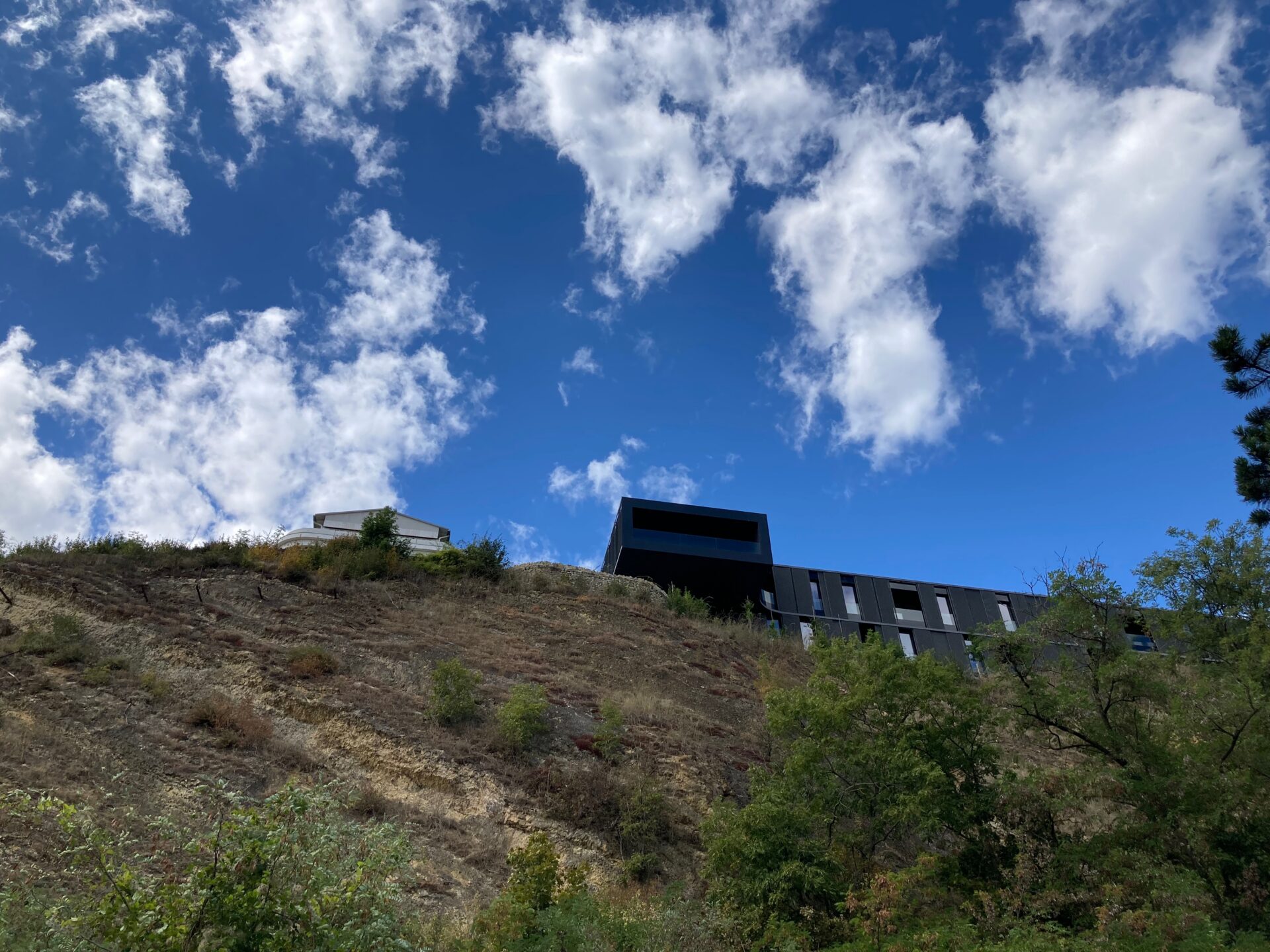
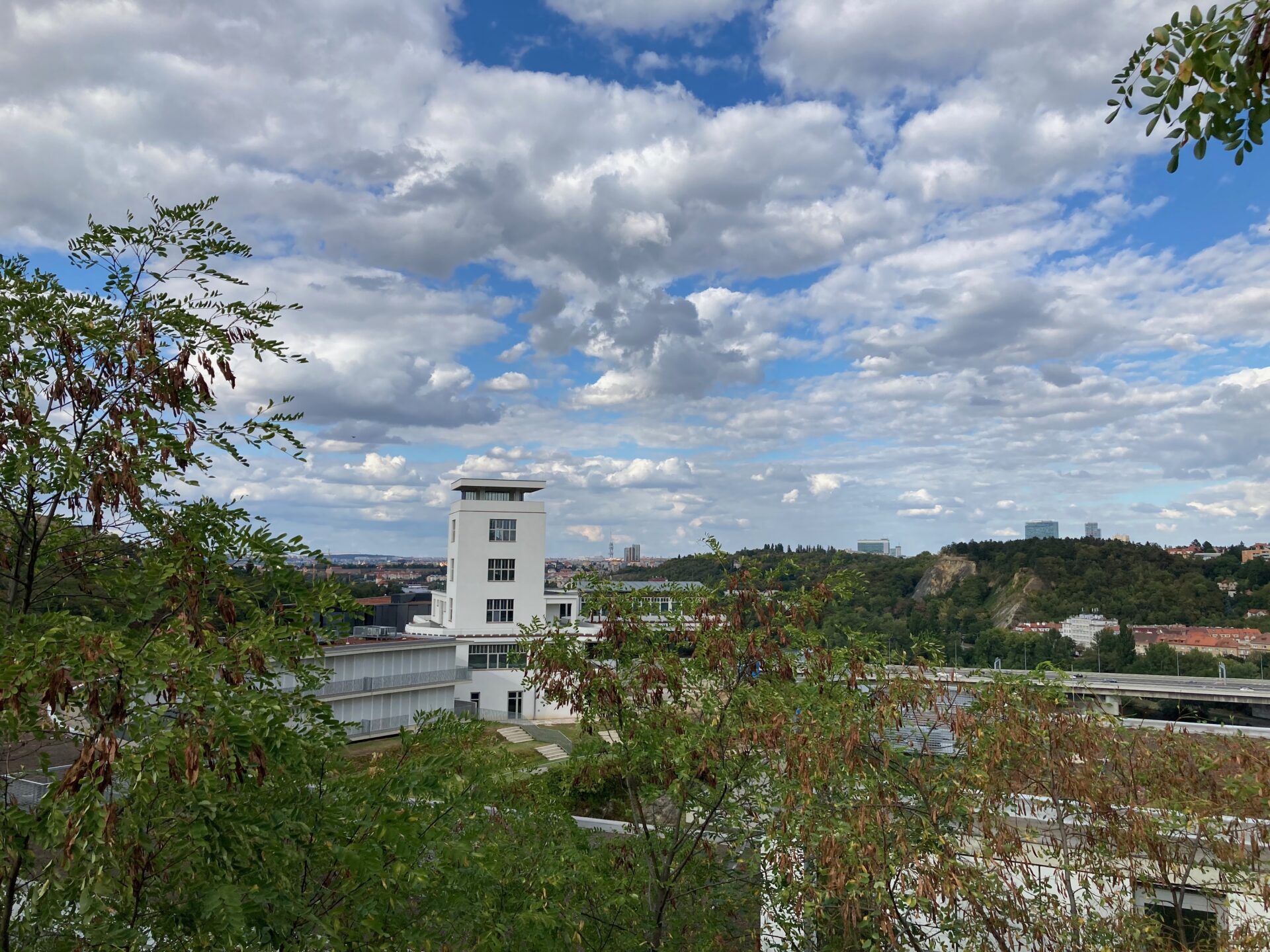
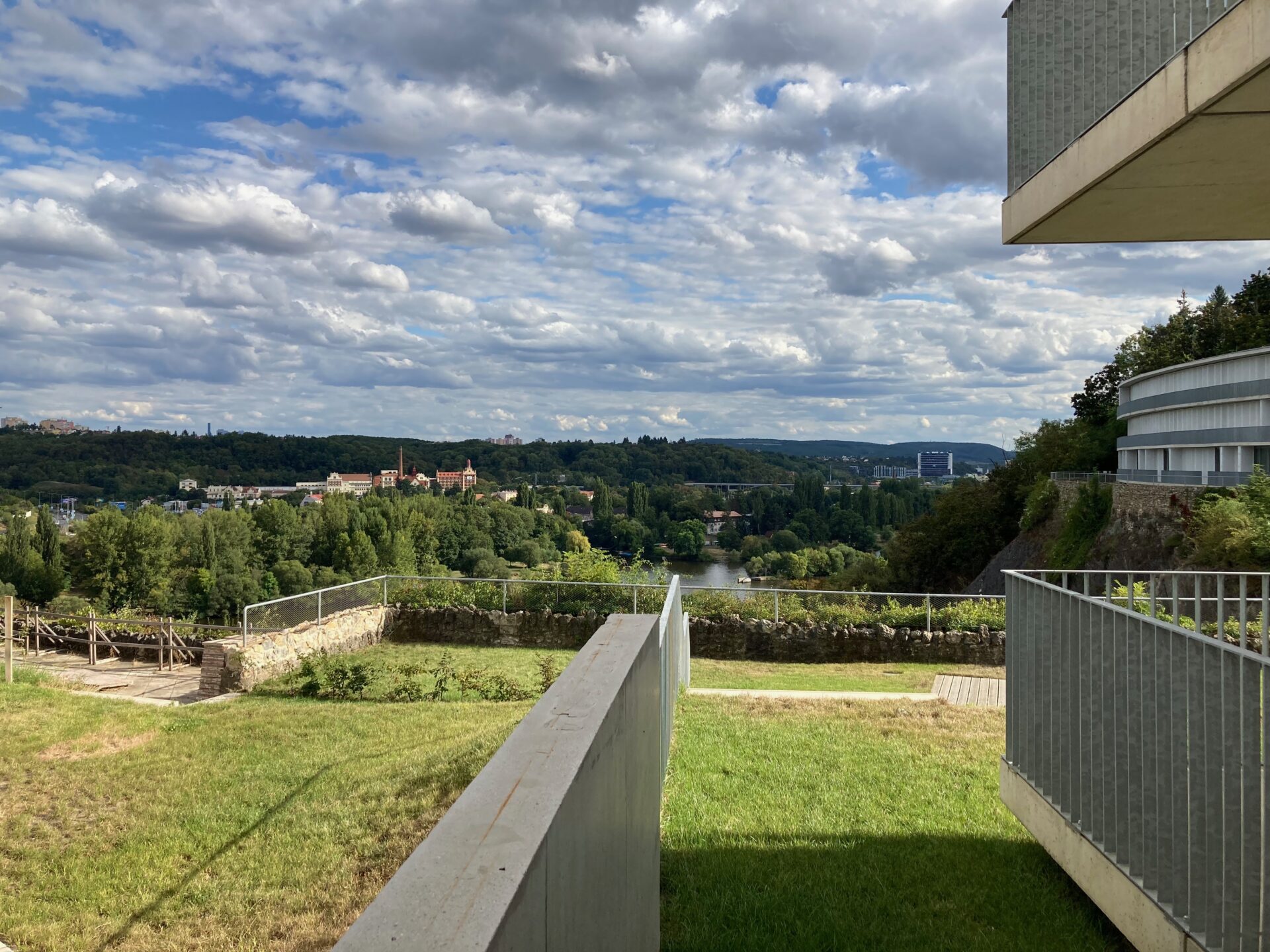
And since Prague residents today have thousands of other entertainment options besides going to Barrandov, the place has retained only symbolic significance. After decades of neglect, a renovation took place, but the terraces are no longer open to the public to the same extent as before. Part of the property is now used for apartments, and a new architectural mass has been added that bears no resemblance to functionalism.



The pool is dilapidated, and there are no known plans for its revitalization at this time. For the past three years, it has hosted a very interesting theatrical production called Ecstasy, in which three actresses played the character of Hedy Lamarr at three different stages of her life. The performance took place across the entire surface of the pool and on the rock above it, with the audience listening through headphones. Even from the curtain call, one can sense the magic of this unique space – even after so many decades.